
The Coach’s View – Coaching Practices and Tips for Neurodivergent Athletes
 Downloads
 by Play Their Way team
This is the second article in a two-part series looking at coaching neurodivergent athletes with a focus on ADHD. Here we focus on Karen Nicholls' experience as a coach to Zane and their journey on developing the right frames and practises for neurodivergent athletes.
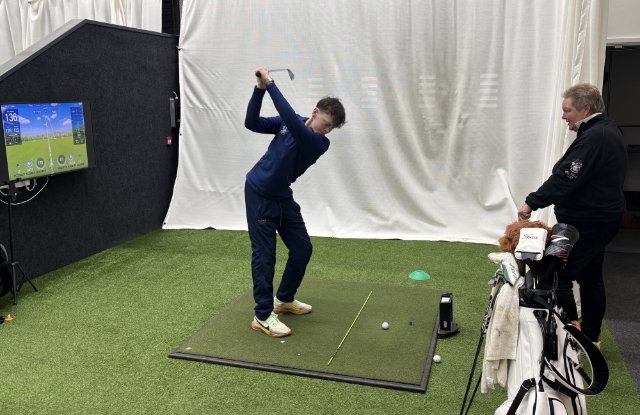
Karen Nicholls shares heartfelt insight into what it truly takes to create environments where neurodivergent athletes feel understood, supported, and genuinely able to show up as themselves . Take some time to digest her journey and lessons as a coach that touches on the power of how small shifts across patience , trust-building and communication can make a life-changing difference.
To see how this kind of support can shape a young athlete with ADHD's journey, read the first part of this series which explores Zane's story.
The Coach
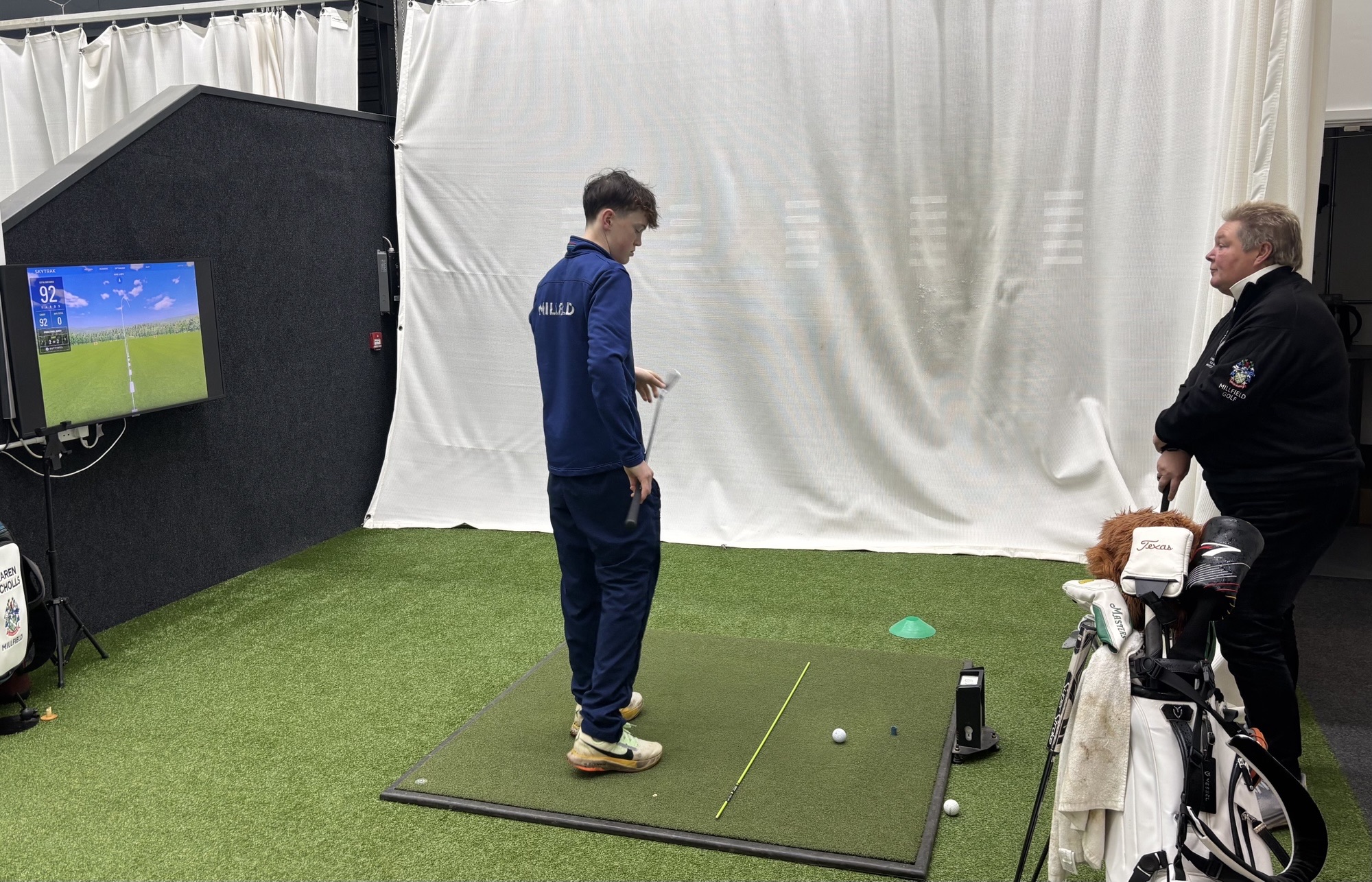
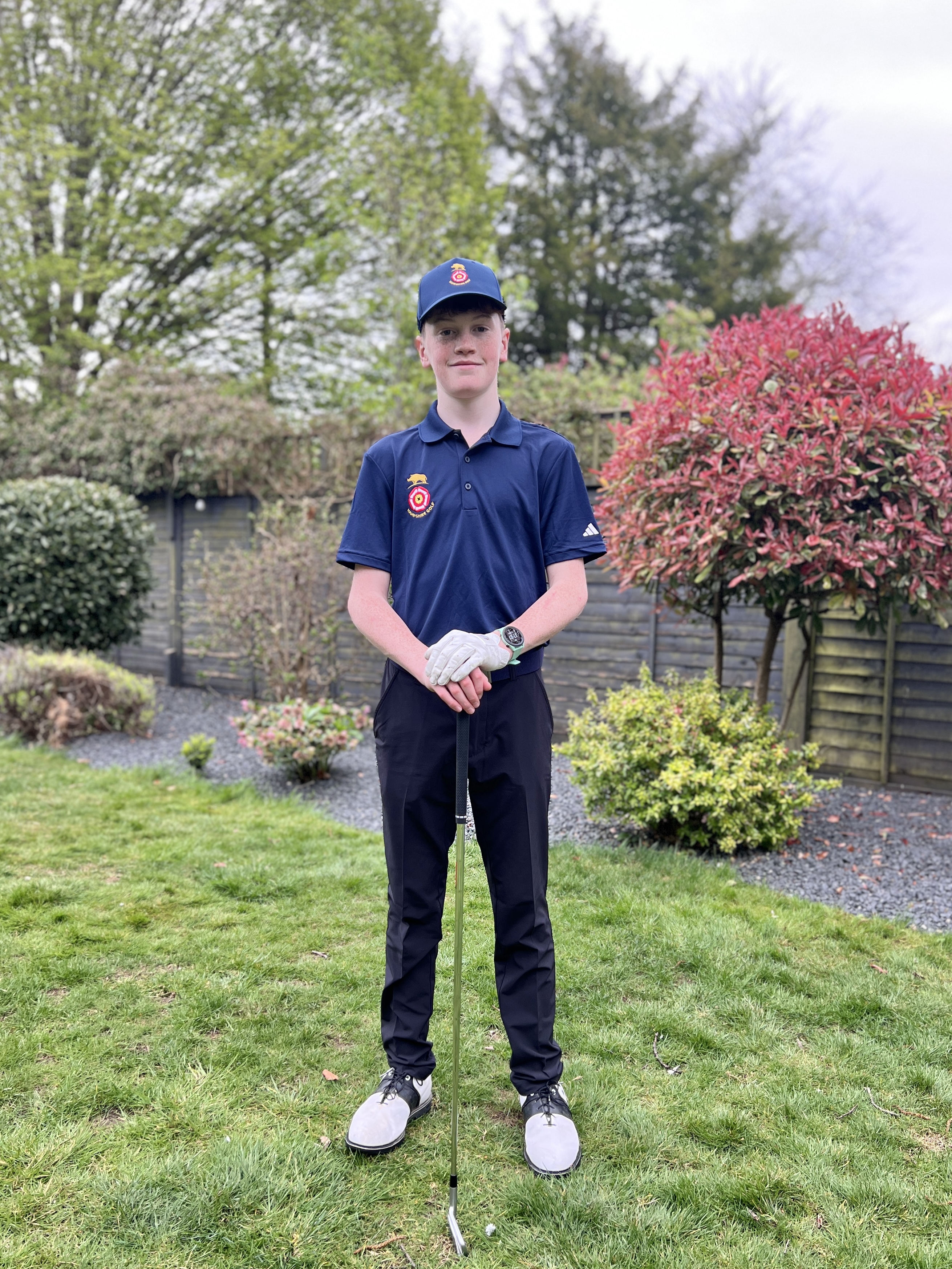
Zane’s coach is Karen Nicholls. Karen has outlined her experiences coaching both Zane and other neurodivergent golfers and how best to impart these lessons to an athlete with ADHD or other neurodivergent condition. She is constantly learning from these players and feels that her overall coaching abilities are improving and has cemented her mantra that you coach the individual.
Karen has noticed, typically for many neurodivergent players, that Zane has superb focus when he’s on a golf course - because it interests him and it is something that he excels in. He knows where he is.
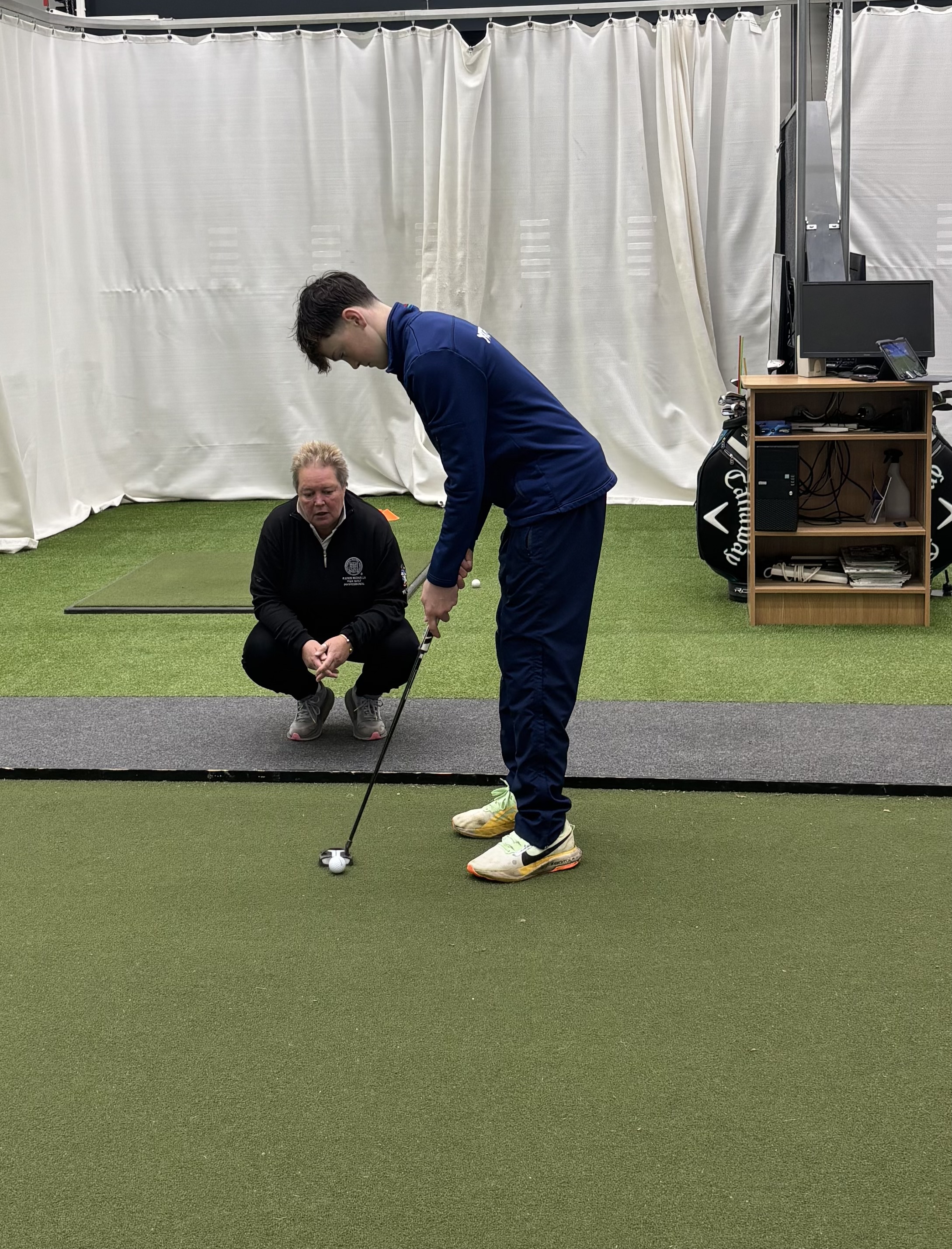
Every player is a blank piece of paper waiting to be understood, waiting to have their skills developed through a personal conversation... It is all about understanding how they learn."
Karen Nicholls
Golf coach
Key Coaching Adaptations & Strategies
There are a number of key points to look for when starting to coach a neurodivergent player:
- What is their attention span - their focus?
- What sort of language is best understood - direct or descriptive?
- How many times will I have to repeat an instruction - would it be better to rephrase it rather than just repeating it?
- How can you help the player self-reflect – putting what’s happened behind them and learning from the situation.
- How do I help the player retain focus?
- When is the lesson best taught - after food, when they are still energetic?
Perfectionism is a recurring theme in the points Karen makes. Zane will set very high standards for himself and when he doesn’t achieve these standards, he can lose focus and as such will need to be encouraged to take a step back to gather himself. It is therefore helpful to have techniques on hand to turn a negative into a positive. Particularly if a negative takes place at the start of a lesson or a round. It is learning the lessons around, ‘How can I recover?’
Listen to what the player is thinking, if you don’t, they will not be paying attention to what you are saying. Learn from the player. Let the player reflect and have trigger questions to help them do this, for example:
- What did you allow in your space at that particular time?
- What caused you to lose concentration?
- Did that poor shot upset you - what could you have done differently?
Simplify instructions and repeat key points multiple times before progression. Make sure the player has actually understood what you are saying.
There may be a need for continual positive reinforcement to manage emotional responses to mistakes or a failure to understand an instruction. Again, you may well have to emphasise the need to remain ‘present-focused’ during play or practice.
Some players may have trouble regulating their emotions, particularly after what they perceive to be poor performance. Give positive reinforcement and make sure the player stays in the now, not in the past.
Clearly most athletes benefit from one-to-one lessons or feedback but that may well be more important for the neurodivergent player. It will usually be beneficial to hold coaching sessions after meals, as concentration may diminish due to hunger or fatigue.
Ensure clear communication, active listening, provide individual space, and a tailored approach to each athlete's needs.
Top 5 Coaching Tips For Neurodivergent Athletes
Inspired by Karen Nicholls’ approach to coaching Zane - a young golfer with ADHD - these top five tips focus on communication, listening, space, positivity, and individuality.
DOWNLOAD NOW
Communication & Learning Preferences
Many neurodivergent players will be open to robust questioning as they will be focused on understanding their sport in detail. Similarly, as a coach you will have to be open to robust questioning - something not all coaches are open to. Such questioning needs to be re-interpreted - it is a sign of confidence, and a sign of respect that the person is questioning you.
The balance to this is that sometimes the questioning can get too detailed, and they will then lose focus on the objective - the next step. In this instance it is good to develop techniques to get the player back out of the ‘rabbit-hole’ they have gone down and get them back on task.
Be open to robust questioning as a coach, this is a sign of respect.
Be prepared to balance your depth of answer and the players ability to maintain their concentration.
Be quick to identify when a player is going down such a hole and develop techniques to pull them out of it and regain task focus in a time that suits them.
Give the player the time to reflect first before any coaching input, let the player control the timing of debriefs through natural conversation.
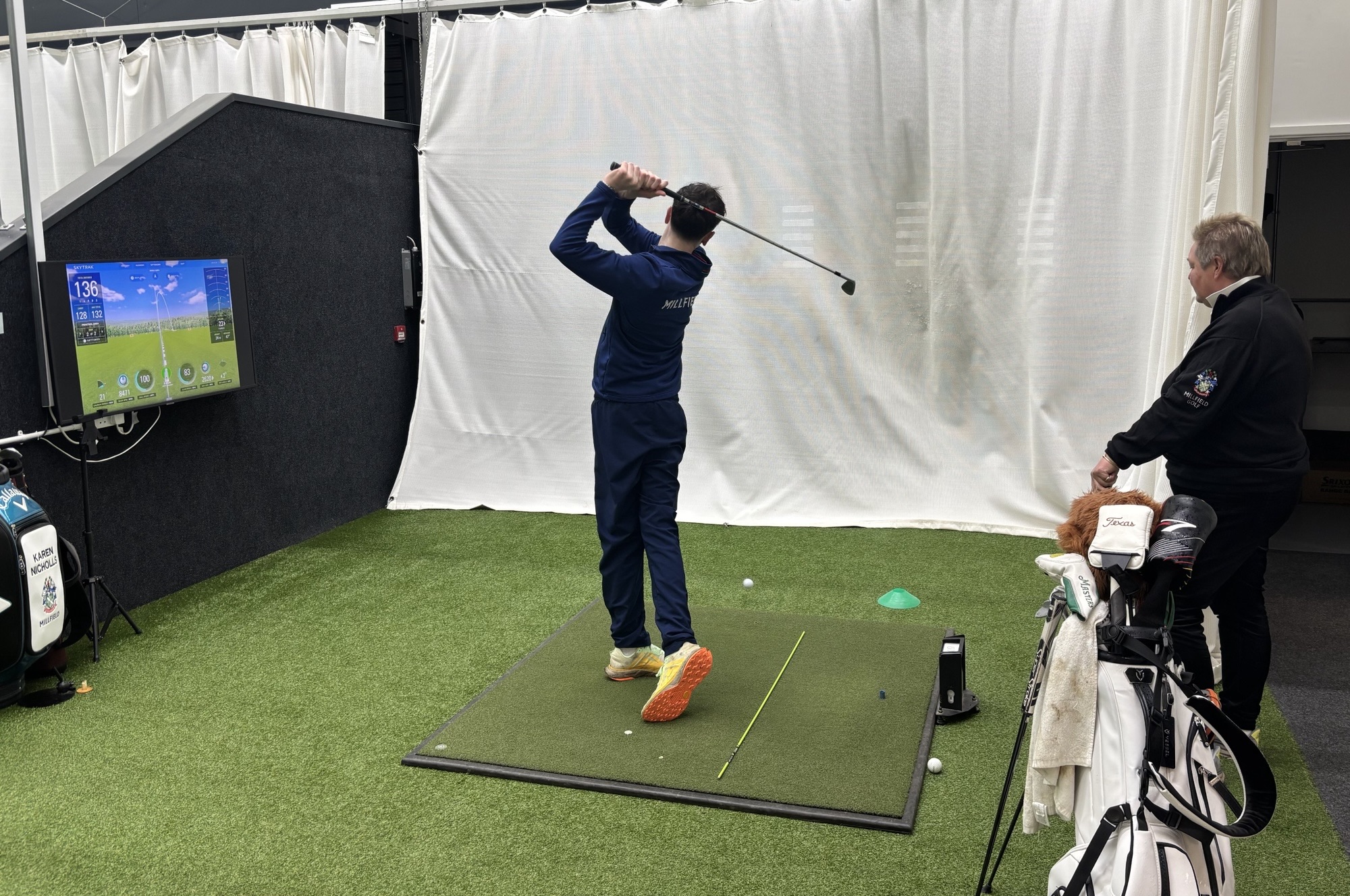
Video analysis and note-taking systems will be hugely beneficial.
Goal Setting & Performance Management
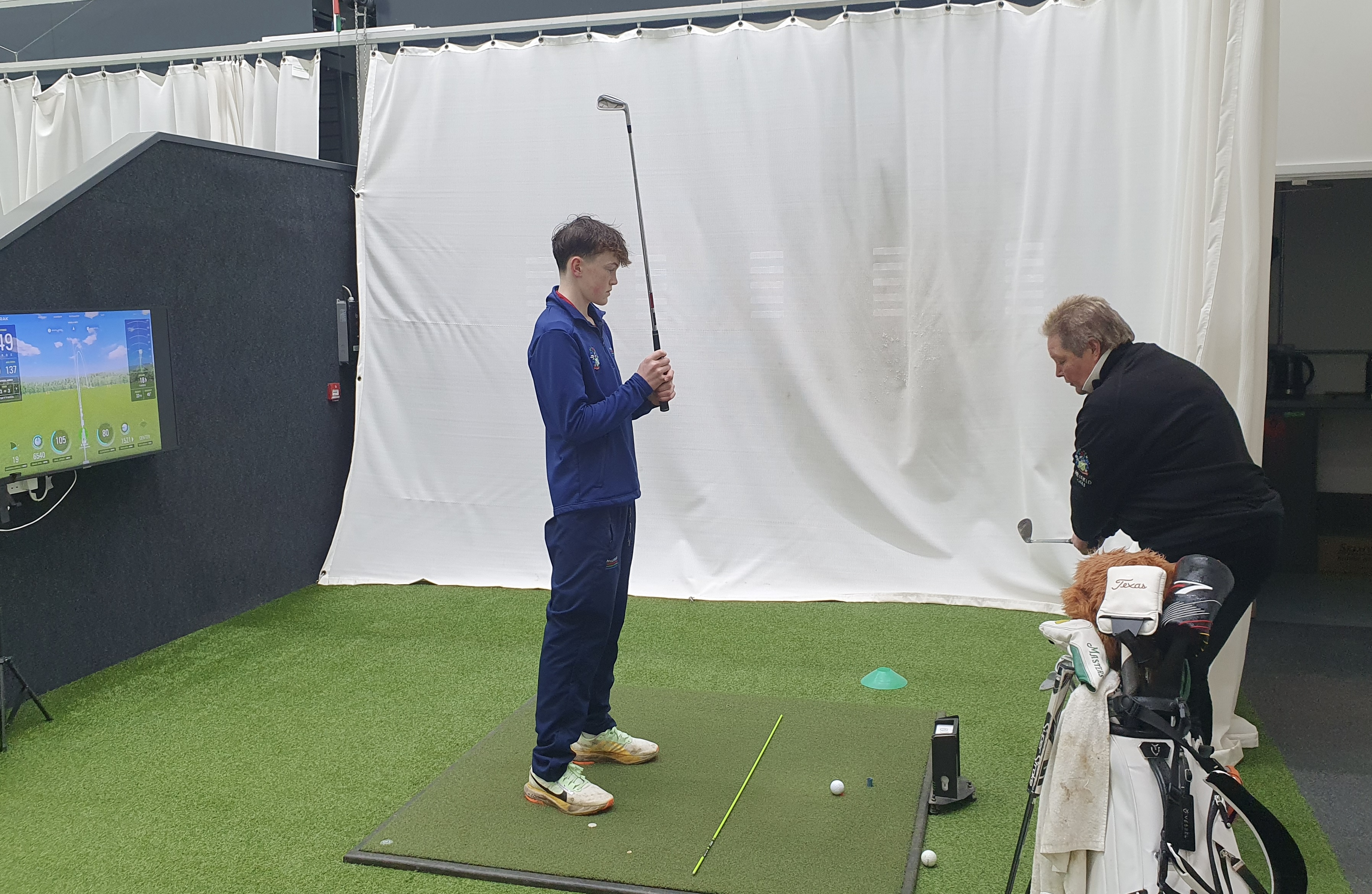
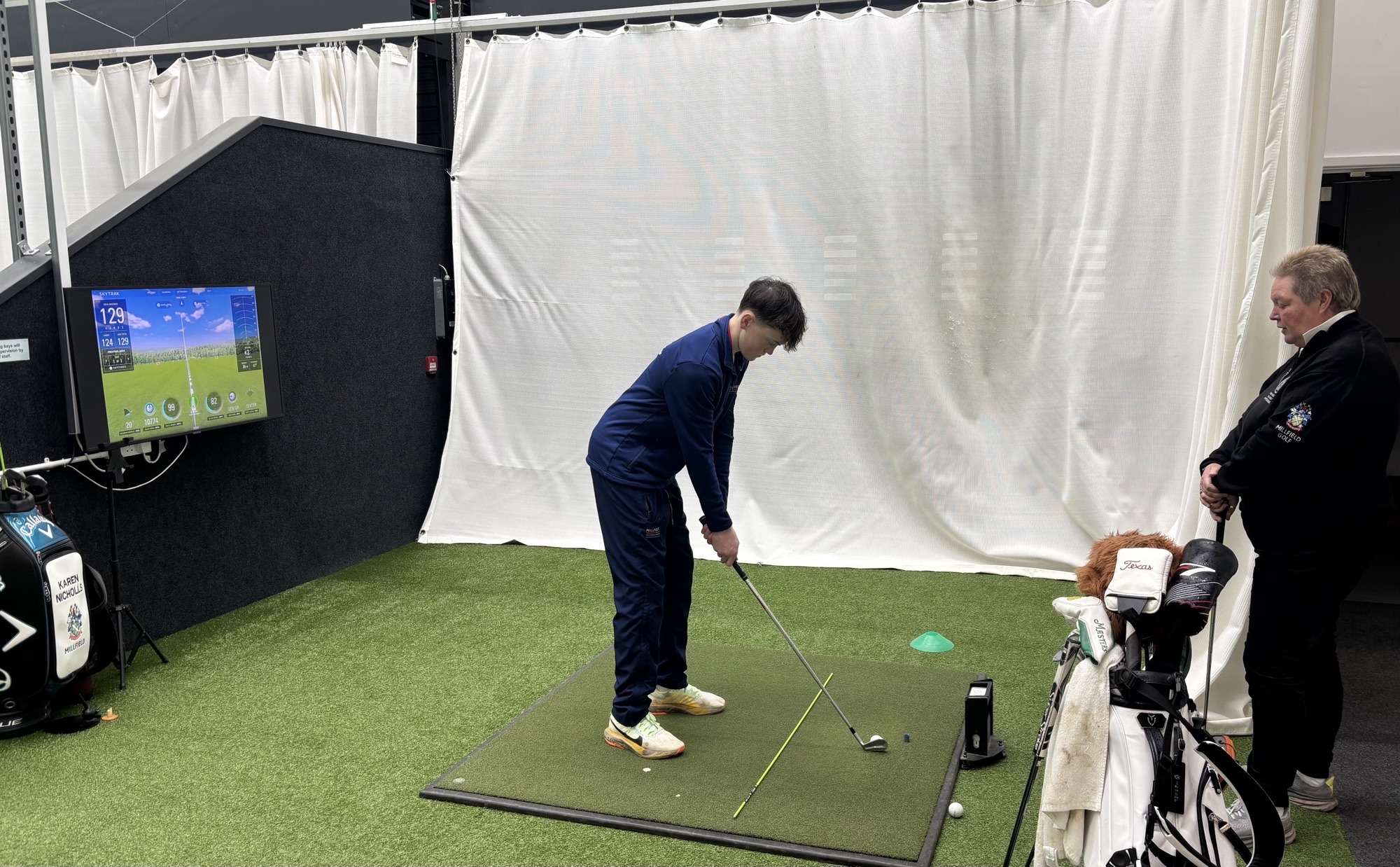
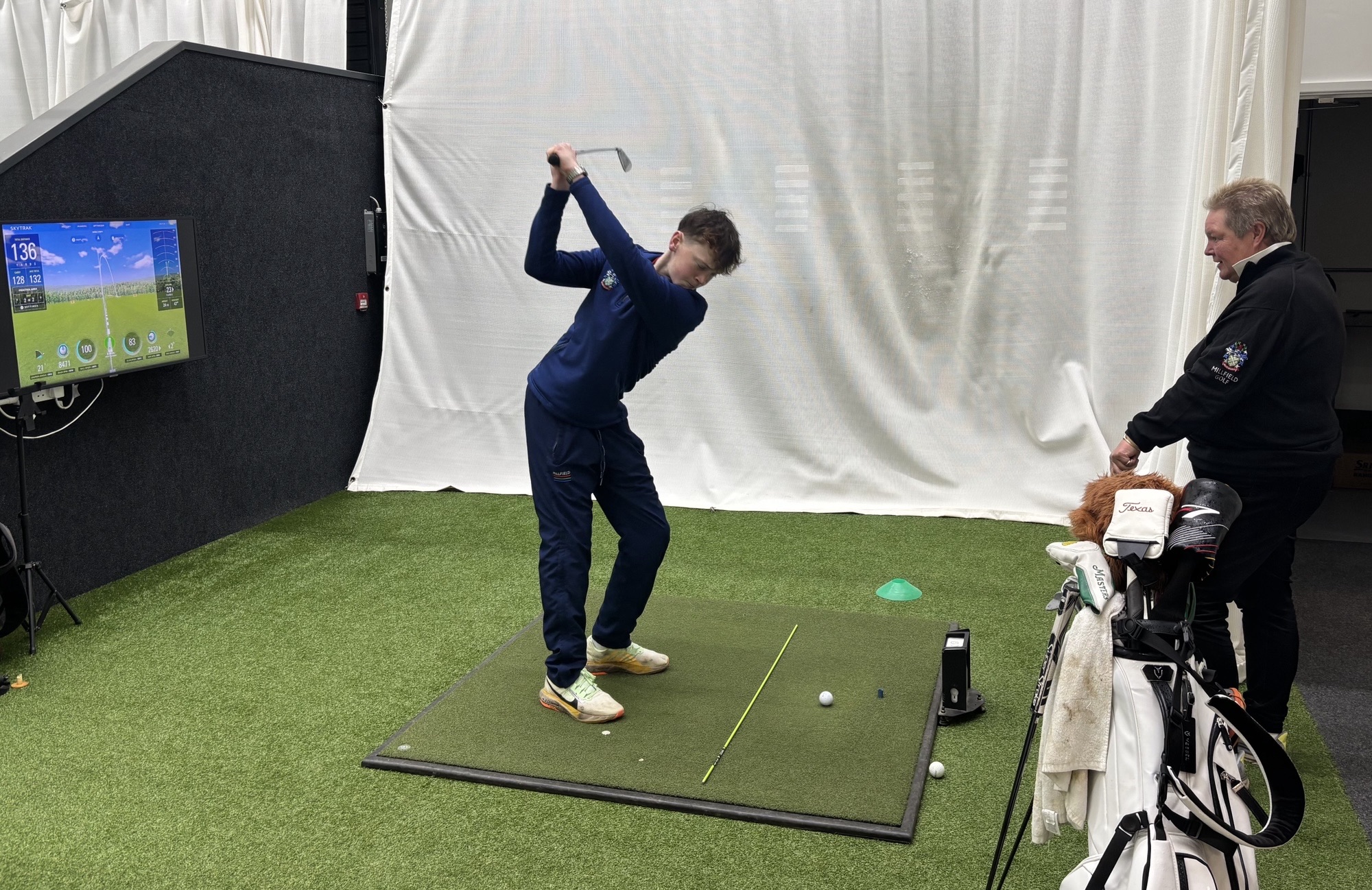
Understanding how best to set and manage goals is critical for long, medium- and short-term performance. In the short term, in a lesson we might be working on one element of a skill, and he might not see success straight away. I will ask him, “what do you think you should do?” He will then do it his way, as he has understood what I am saying. Within 5 to 10 minutes, he'll say “okay, I can do it. Yeah, I can see what you're saying”. He has had time to reflect and analyse and this leads to understanding. Giving time is crucial as is letting him interpret instructions his way to ensure understanding. This ability to self-reflect is best supported by having a conversation with the player to ensure understanding, and by giving them notes on what they should be focusing on - notes with pictures are best or better still video analysis.
One issue for medium- and long-term goal setting is making sure the goals set are realistic both in times of scale and timing. In golfing one of the main goals is to reduce the player’s handicap. However, if the goal is too challenging this will put undue pressure on the player. So as any coach would do it is about taking steps towards the end goal and agreeing what these goals are. They shouldn’t however all be about the actual sport but also about the mental preparation to play the sport.
Golf is a one-shot-at-a-time sport, if I focus on making that shot the best they can then they will improve. Goals must be achievable and be balanced against the inherent perfectionism we see amongst the neurodivergent players we coach.
Make sure inherent perfectionism doesn’t lead to unrealistic goal setting.
Emphasise achievable short-term targets over such distant objectives.
Always end lessons on a positive note, have strategies in place to convert negatives to positives, focus on one shot at a time rather than overall scoring.
When a lesson is not progressing as wanted don’t just press on. Be prepared to take a walk to regroup and refocus.
Critical for allowing the player him to steer debriefs, thereby demonstrating control over his learning process.
Group Management & Peer Integration
Working with the players' peers is also critical - to ensure they understand the potential impact of their actions. At times, throw away comments usually made in jest, can have an unexpected impact. For example, on the putting green, we'll set out a course and say, right, okay, one person chips, the other person putts. So, the lowest score wins. It will usually become competitive and the banter starts. Things are said like: “Oh, come on, you can't chip” or “you can't putt, you know” All in jest but it can be taken the wrong way. Consequently, as a coach I have to be alive to this, to monitor the impact on a player and check anything before it gets too much. If this does happen, we will take the player away and explain the impact of what they have said. We will also talk to the whole group, so everyone becomes aware.
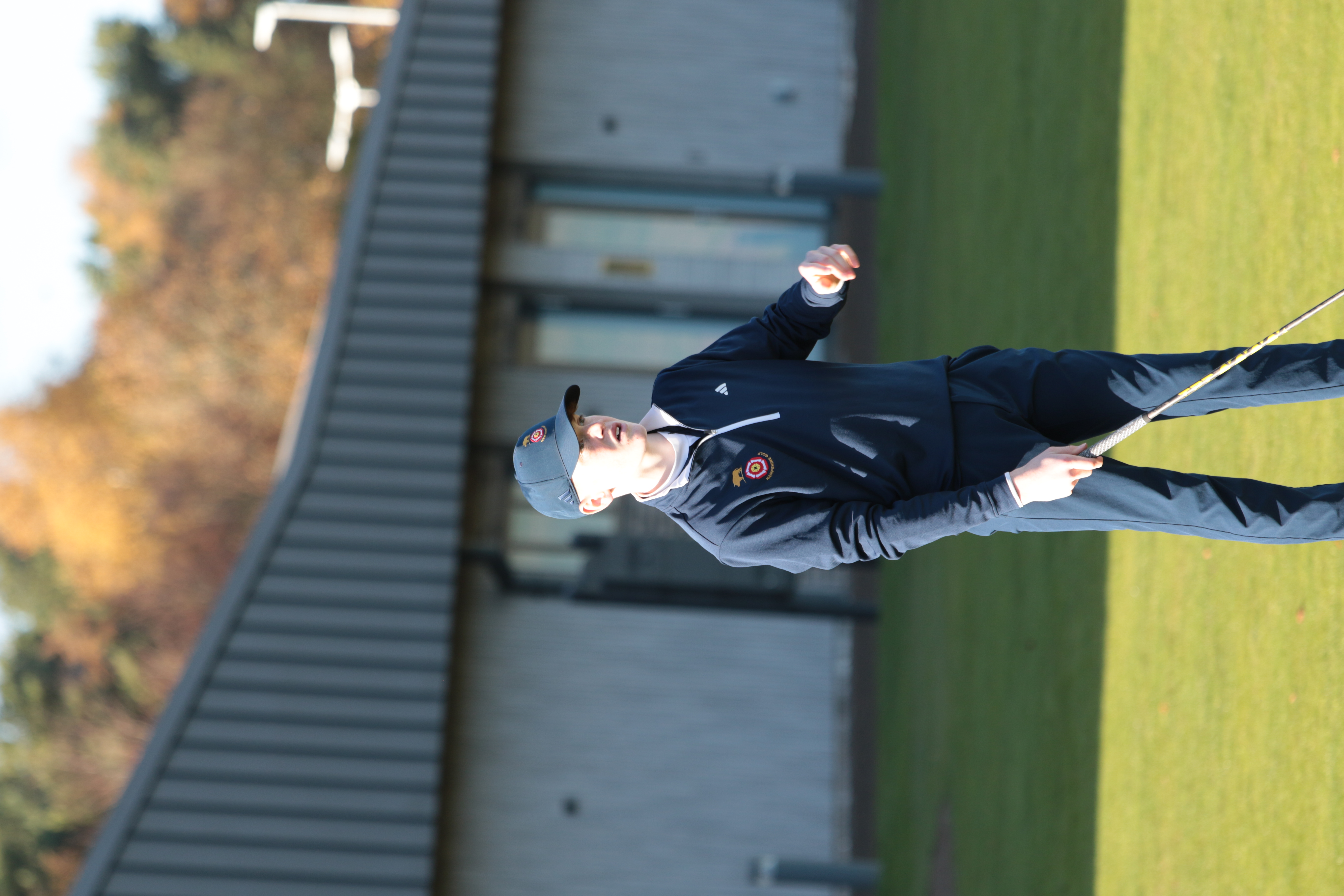
Gamesmanship is part of golf so it is important that we work with Zane on how he keeps his focus as something that might seem innocuous can cause him to lose focus. I work with Zane and say, right, okay, if someone's making a comment, you've got to try and accept it but kick it away.
Two coaches present in group sessions of maximum 10 students, immediate intervention when comments overstep boundaries.
Pair-based exercises like putting/chipping competitions create natural banter opportunities while maintaining supervision.
Teaching students to maintain focus despite opposition comments, develop mental 'blinkers' and use a support network.
Work with the player to ensure they have techniques to retain focus.
Talk to the player to understand what techniques they will use to regain focus - these may not seem typical but if they work, they work.
Top 10 Reasons Sport Matters for Children with ADHD
Created in partnership with Neurodiverse Sport, Inspired by Zane’s journey in golf.
DOWNLOAD NOW
Environmental focus
With Zane’s ADHD, focus is critical. As a coach I can impact upon this by getting into his space physically, so I have to be careful of this. To regain focus I will take him back to basics: ‘Let's set up. Let's take our time and just go over the same skill’.
Just as I can cause Zane to lose focus, the actions of others can too. Peers or fellow competitors can make comments that will have a disproportionate impact and upset Zane. These comments are usually not directed at him or meant to upset him, in fact they may actually be ‘banter’, but they can cause him to take such comments to heart and he may take them literally. This can be part of sport so mental rehearsal on dealing with this is an important part of the conversation.
During lessons, allow the player to concentrate without feeling overwhelmed by proximity.
Ensure immediate intervention if there is inappropriate banter, ensure a supportive and respectful learning environment.
Prepare the player for banter by asking them how they can block it out.
Whilst Zane needs physical space during lessons, as a coach you must be able to 'get in his space' carefully for 2-3 minutes so he can maintain focus.
Even in group sessions make sure you can work 1-2-1 even for a brief period of time.
The Coach's Code
In answer to the question: “Is there something that you wish you’d known then that you know now, what would it be?” Karen replied “To make sure it’s a two-way conversation. Don’t talk down to someone, listen to them, understand their mood and what sort of day they are having and be open with them.
Other resources you may like...
SHARE THE MOVEMENT
Help spread the word by sharing this website with fellow coaches!