
Child-First Coaching in Youth Football with the Liphook Spiders
 Video
Video by Luis-Miguel Ortiz
We explore what child-first coaching looks like in practice with a boys’ football team in Liphook. The session is reviewed by child rights expert Liz Twyford and learning and development lead Ben Franks, who examine how children’s rights are applied in coaching, alongside insights from Alex Twitchen who coaches the Liphook Spiders.

What should a child-first team look like?
Here, Alex starts by asking the children what kind of team they think they are. It sounds simple, but it’s so important - kids should join a team where the values actually mean something to them. Especially when they’re young, belonging should come before score lines. In a child-first, rights-led environment, young people get to shape their own experience, from how they play to how they learn together. Winning does matter, but how they win and lose matters even more. Great coaching isn’t about telling kids what to do; it’s about listening, inviting their ideas, and acting on them so the team grows from the ground up.
Our approach in practice using the pillars
- Voice: Listen first. Children co‑frame sessions, adapt rules, and share what works for them.
- Choice: Offer meaningful options, challenge levels, roles and equipment - so every child has agency.
- Journey: Value and celebrate progress, joy and confidence over results, reflect together on next steps.
This is a rights‑led team
In practice, children help set goals and adjust activities as they go. Coaches ask guiding questions, give choices, and keep the games moving with quick check-ins. Each session ends with a short reflection on what to try next time.
Aim to listen first, then based on their ideas, build the session with your players so they have a real voice, real choices, and ownership of their journey. That’s how belonging grows, and performance follows.
Let's recap the session!
- What values resonate with the children and young people in your club? Ask them and lead with it!
- Lead with questions that helps them think. In doing so, you're giving them the chance to reflect and improve but also giving them the space to be comfortable with their voice. It's a confidence builder!
Part One and Two: Child-First Coaching in Real Life with the Liphook Spiders | Using Voice and Choice to Define a Child-Rights Team
Often, values typically come from the top down rather than the ground up from the players and what's meaningful to them, and I think that's where the value is. Does it have value to the other people, are they actually going to be able to live and breathe those values if it's not come from them..."
Ben Franks
Boing Kids
Challenge Yourself - Adapting a Child's Voice in Your Coaching Sessions
Use one of the three pillars 'voice' to lead your sessions
DOWNLOAD NOW
How to offer guidance and support as a child-first coach
Part Three, Four and Five: Child-First Coaching in Real Life with the Liphook Spiders | Great Coaches Don’t Give Answers - They Unlock Them.
In these three clips, we see voice and choice in action. However, a misconception at times is when you lead with a child’s voice, when as a coach are you able to have your own voice? Reframe that, the real challenge for a coach is to guide without taking over. As Liz mentioned, it's also a children's rights to be given information. So Instead of giving answers, shift your role to asking thoughtful questions - like how Alex demonstrates, “What did you notice that helped the ball get there?” or “What could you try next?”. These prompts help players reflect, notice, and make their own decisions in a safe, positive environment.
Guide, don't direct
Sessions are shaped with the children, not for them. Together, you build activities and plans that can change as new ideas come up, keeping things flexible and letting curiosity lead. By creating the right environment and setting playful challenges, coaches help children grow as leaders and teammates, not just as players. When children help shape the session, they learn to shape their choices - on the pitch and beyond.
Let's recap the session!
- Provide them questions that help them think, guide them to the answer, that fuels their voice! The best players are made through the right guidance instead of just telling them what to do.
- Put yourself in their shoes, level with their experience! It's good to reflect and see their perspective on each journey.
- Eventually, you'll create a space where children will thrive and have the confidence to speak and articulate their thoughts. It won't just reflect on the pitch but beyond!
By understanding the why, they can make their own decisions in the match when they're out there on their own. It's making them better players, but it's also giving them the opportunity to decide what they need to do. One of the rights of children is providing information to make decisions..."
Liz Twyford
UNICEF
ICOACHKIDS E-Learning Course
Want to take a short course on the basics of children's rights? Access ICOACHKIDS e-learning course packed with 20+ free courses to help you elevate your coaching sessions with children and young people.
Start Now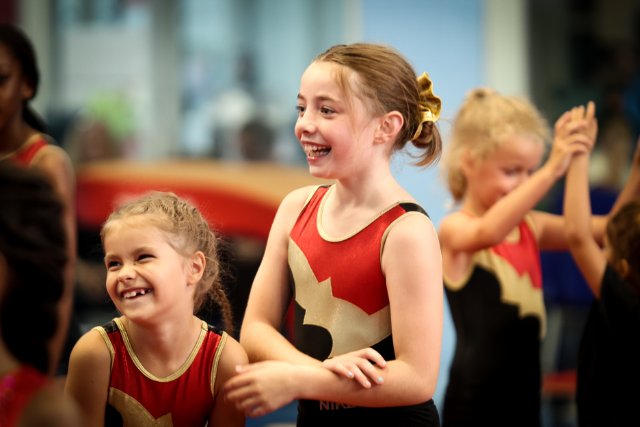

1. Creating a Positive and Supportive Environment
Coach Alex creates an environment where young players feel safe, encouraged, and truly valued. Instead of putting pressure on results, the focus is on positive reinforcement and making sure kids enjoy themselves every step of the way.
2. Demonstrating Child‑First Behaviours in Real Time
As the session unfolds, you’ll notice child-rights experts pointing out moments when children’s needs and ideas take centre stage - whether that’s by listening closely, involving them in decisions, or adapting the activities to suit the players rather than following a fixed plan.
3. Prioritising Player Voice and Ownership
This is all about giving players a real voice. The Play Their Way approach is rooted in the belief that children should be heard, given choices, and able to shape their own learning journey. That philosophy comes to life with the Liphook Spiders, where every player’s input is valued.
4. Fostering Holistic Development Through Play
Most importantly, the session is built on play. When coaching is playful, flexible, and full of exploration, children thrive. They grow in skill and confidence, enjoy themselves more, and develop a lifelong love for sport.
Other resources that you may like...
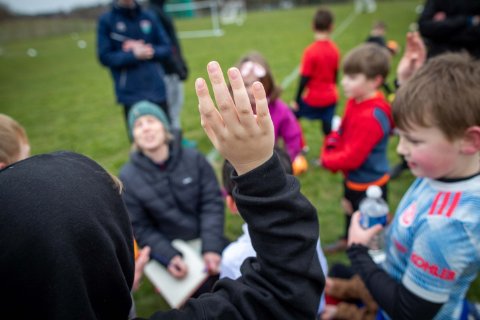
Child-First, Whatever the Age
Tots Coaching are testament to the fact that the Play Their Way principles of Voice, Choice and Journey can be harnessed to coach even the youngest of children.
READ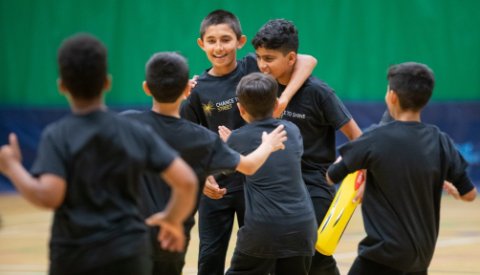
Shining a Light on Child-First Coaching in Cricket
Chance to Shine’s mission is to give all children the opportunity to play, learn and develop through cricket.
READ
Duty to Care and Child-First: A Winning Combination
The philosophies of duty to care and child-first coaching dovetail neatly. This outlines their common attributes and explains how they can work together in a coaching context
READSHARE THE MOVEMENT
Help spread the word by sharing this website with fellow coaches!