
Coaching Neurodivergent Young Adults and Children
 Case Studies
 by Paul Burrows
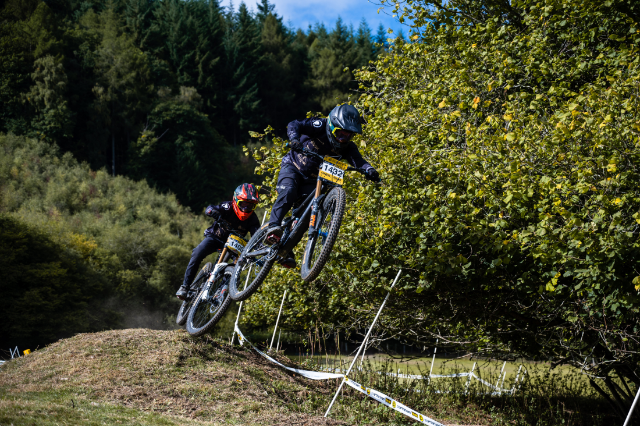
Adapted by Paul through interviews with the boys’ mum Ina – including her photography of Nathan and Ruben in action - we follow their journeys in downhill mountain biking and discover how to make your coaching not just inclusive, but transformational.
A Four-Part Coaching Series
Part 1: Self Advocacy, Positivity, and Putting the Young Person First
In sport, we talk about unlocking potential. But for neurodivergent children and young people, those with ADHD, autism, dyslexia, dyspraxia, and beyond, unlocking potential also means unlocking the person, not just their performance. If there is ever a coaching mantra it is: “Coach the person, not the sport”.
Coaching neurodivergent individuals and participants isn't about adjusting your expectations downward; it’s about changing your approach upward. It’s about embracing individuality, fostering connection, and building trust through creativity, compassion, and relentless positivity. Our belief is that developing the ability to effectively coach neurodivergent children and young people, will make coaches better coaches for all those participating.
Here’s how to make your coaching not just inclusive, but transformational.
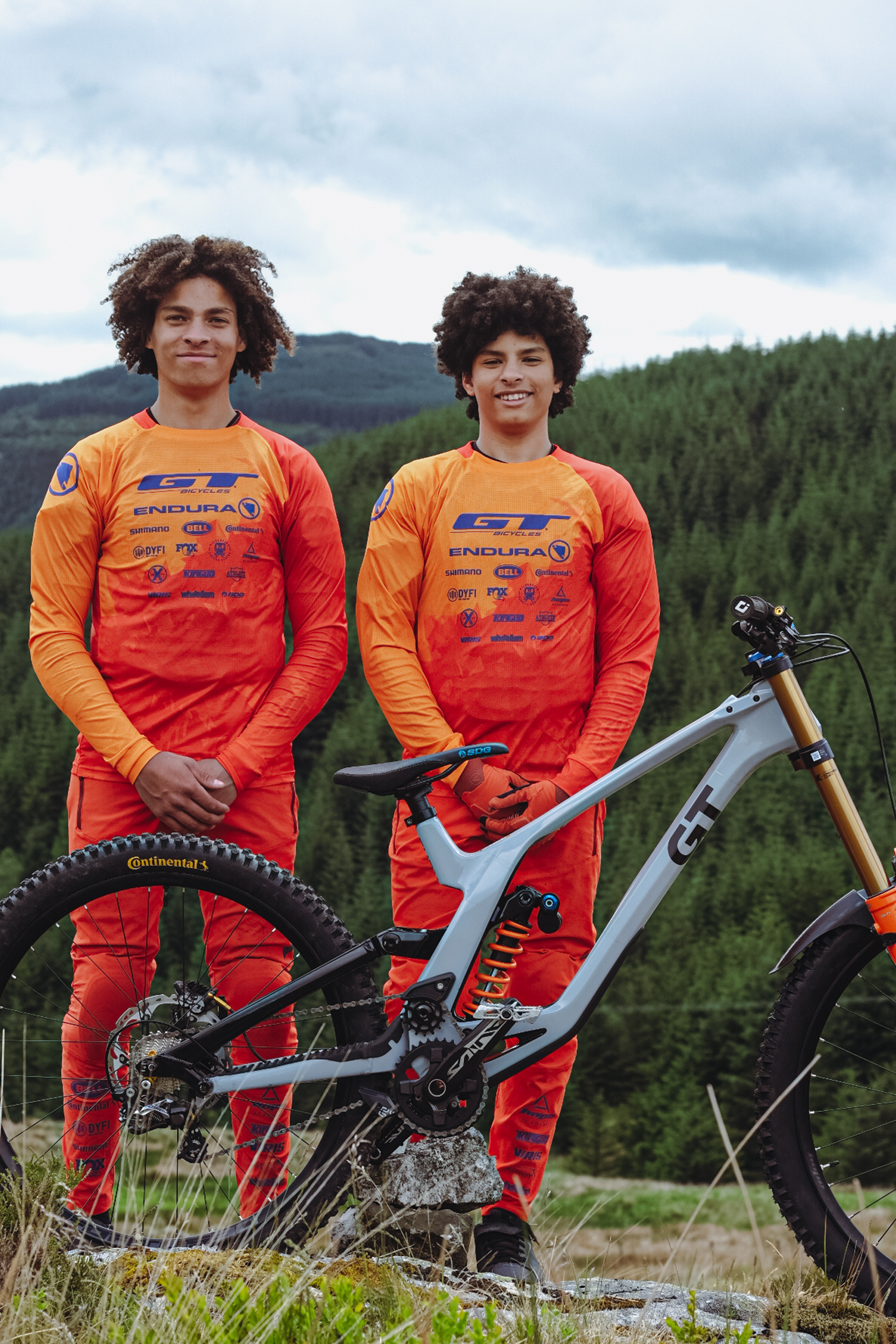
This blog features the experiences of Nathan and Ruben de Vaux who are both brothers and downhill mountain bikers. Their experience and profiles are described by their mother Ina.
Who Are the Boys?
Nathan, 16 – is a highly motivated and driven downhill mountain biker with a “golden ticket” to the UCI World Cup. He is autistic with a PDA profile (Pathological Demand Avoidance also known as Pervasive Desire for Autonomy), he also has ADHD and traits of undiagnosed dyslexia.
In short, Nathan instinctively seeks to control as much of his daily experience as possible - a trait shaped by his PDA profile - though he may not be consciously aware of doing so.
Ruben, 14 – is also autistic, more quiet than his brother but equally motivated to reach the top of the sport. He is more socially driven than his brother and is very engaged with the mountain biking race community.
Both boys experience their sport differently.
Expression Through Sport
There is a saying in the neurodivergent community, that if you’ve met one person with autism, you’ve met one person with autism.
Nathan thrives on speed and risk. This is hugely beneficial in a sport that requires fast reactions and nerves of steel and comes with a high risk of injury. However, in his daily life, this same impulsivity and physical risk taking can lead to problems. Taking part in an extreme sport allows him to be his authentic self. The alternative for him is to have to mask constantly. Masking is where the person has to hide their true self behind a ‘mask’ of trying to conform with social norms. This is both frustrating and deeply tiring.
Ruben on the other hand uses sport as a social bridge. Due to the shared interest in racing, he connects more easily with peers in the race community, than outside of this environment where social communication is more challenging.
Benefits of Sport in Their Daily Lives
I do not believe anyone reading this blog will need to be convinced about the benefits of sport. However, for the young neurodivergent participant the benefits of physical activity may well go far beyond that which is normally understood.
For most people sport will provide a strong sense of achievement through participation and completion, this boosts self-esteem. However for the neurodivergent participant who may have gone through a lifetime of Adverse Childhood Experiences (ACEs), where they were often criticized—both directly and indirectly—for who they are. Achieving something can boost their self-esteem in a way they may have never felt before. For this reason it is essential that coaches understand the unique needs of neurodivergent participants so they can support rather than add to a young person’s negative experiences.
For both young racers, sport has been a critical aid to achievement, emotional regulation and stress relief. The physical exertion of a hard training ride helps them return home in a calmer, more regulated state. This benefits both their home life and their home-education.
The brothers are home-educated, due in major part to the ACEs they experienced, but also because of how they were and are likely to be perceived within the educational system. An issue which has direct parallels with how some coaches react to them. Their home education means their learning routine can be structured around their biking. Riding helps them concentrate better during their lessons. Their lessons help with their biking.
We talk in Neurodiverse Sport about how structured play can benefit education for those who may typically struggle in a traditional school-based learning environment. By this we mean an environment where students are required to sit at desks for a fixed period or time and be talked to; or work in environments that provide sensory overload by way of excessive sound, lighting or simply too many people. Here are some examples of how the boys’ special interest in biking enhances their education:
- Geography: Learning about countries, mountain ranges and elevations, different soil types and ecology.
- Maths: Analysing split times and race stats, managing and budgeting the costs of racing and trips abroad.
- Literacy: Writing race reports to develop coherent narrative skills, developing spoken language skills by doing filmed interviews.
- Engineering and Mechanics: Nathan in particular has a deep interest in how bikes work, this has integrated him into a mechanic training programme.
- There are also strong ties into history and languages in the countries they visit.
The boys require different considerations in how their coaches communicate with them, particularly when it comes to balancing structure and autonomy in their training.
Structured vs Unstructured Play
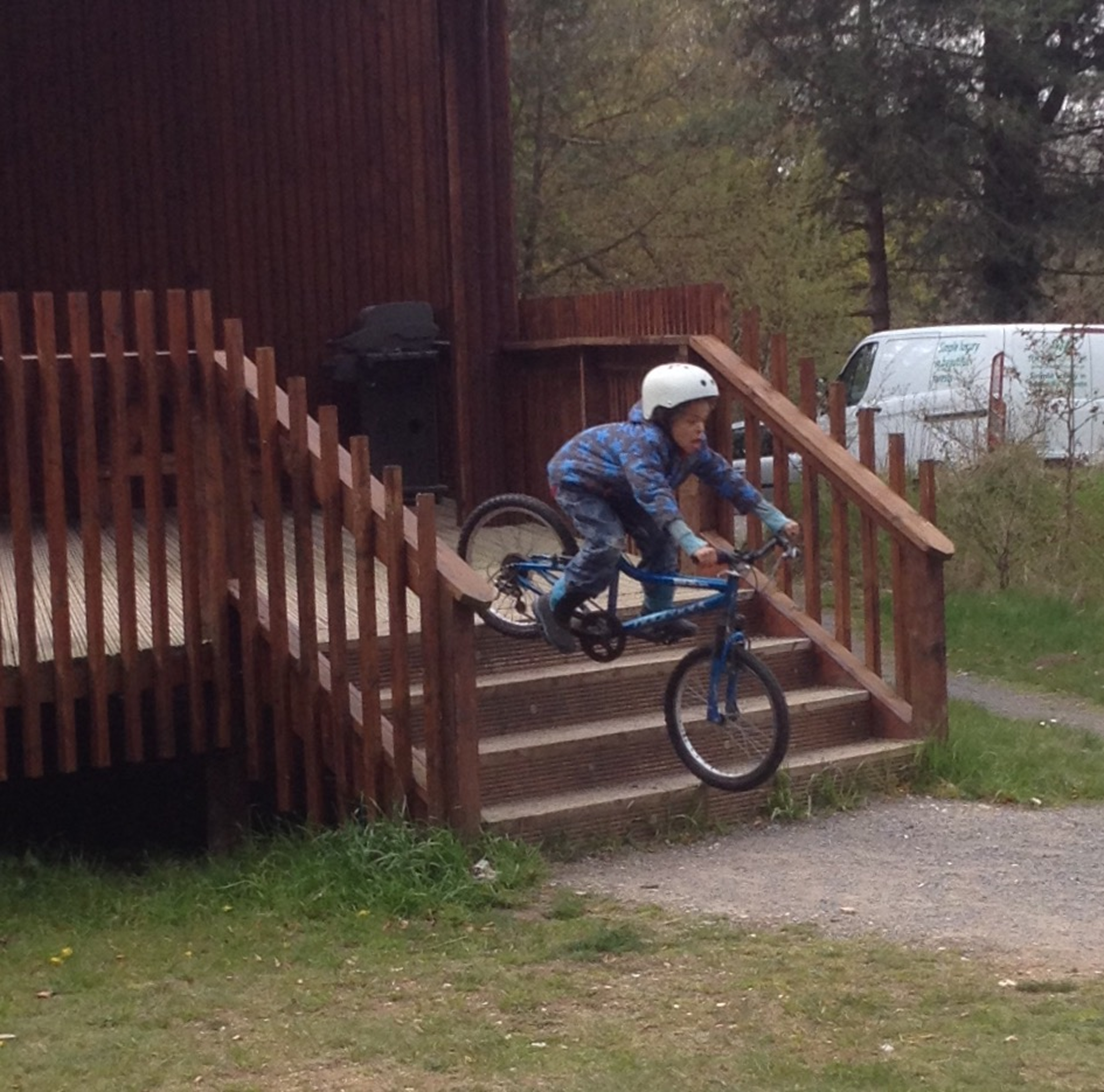
Nathan and Ruben need a balance between structured and unstructured training to thrive. They prefer structured training for strength and conditioning, normally using an app to indicate what exercise and how many reps are required next. However, when they are on their bikes they favour a more autonomous, unstructured approach. Though this will be highly focussed on outcomes, for example Nathan leads his training based upon the self analysis of his last performance, planning sessions based on goals like track type or skill-building (e.g. cornering). Both boys are used to setting and following their own objectives and adapting these as needed.
Coaching: Behaviours to Expect and Understand
The boys’ self-expression and experiences both in life and in sport present in ways that some coaches may find challenging. This challenge is actually a sign of respect and a deep desire to understand all the aspects of their sport. There will be:
This is not an effort to challenge the coach’s authority, but is actually their way of engaging and learning. If a coach answers well, they will earn the boys’ respect. Many times, coaches have commented how both boys think 2-3 steps further ahead than other youngsters which forces the coach to think deeper and explain skills more in depth, yet most coaches felt this then also benefited the other young participants.
Fidgeting, lack of eye contact, or moving around. This may seem as them being inattentive, but they are actually learned self-regulation strategies that help them to focus.
When Nathan and Ruben started their racing careers they did so in cross-country events. However, they soon established that they didn’t fit in. They found that some ‘neurotypical’ competitors would bend rules or conventions, for example blocking start lines so they couldn’t line up. The boys meanwhile will follow the rules and instructions to the letter and play fairly. A neurodivergent child or young person may show they are upset more openly (crying, shouting, possibly swearing) as it requires a huge effort to filter their reaction, especially when stress levels are already high. Some coaches and race officials responded to this by telling the boys off or by calling it “over-reacting” which only added to the frustration and upset. Whilst this frustration was easily channelled into winning performances by Nathan, it set Ruben back mentally during races.
After a while it became apparent that downhill racing was a better fit for the boys' temperaments. It is a common issue for the neurodivergent child or young person to try to find the sport where they fit in. Once they do, they can easily compete and participate at any level. Engaging in a sport where the racers start one at a time and against the clock, rather than side by side, reduces sensory and social overload. Socialising in climbing/downhill for instance is more manageable than team sports as there is a different competitor dynamic.
Neurodivergent children and young people may look lost. This is not because they haven’t paid attention but because communication isn't adapted to their needs. Simple, factual instructions help all participants, not just neurodivergent ones.
Communication is More Than Words
Clear, calm, and consistent communication is your coaching superpower. Many neurodivergent participants may process language differently—so speak slowly, keep instructions short, and back up words with demonstrations, visuals, or gestures. It is what you would do when speaking to someone in a foreign language, it is not about slowing down so they can keep up, it's about finding a common ground. And, it is definitely not about shouting!
Most importantly, listen. Not just to words, but to movement, mood, and behaviour. A child or young person rocking, flapping, zoning out or walking off isn’t trying to be difficult—they’re telling you something (e.g. high stress levels or excitement to get going). Respect their language, be it physical movement, however it shows up.
- Let the child or young person be themselves – They probably won’t need you to motivate them because they will already be deeply passionate about their sport. They may well, however, need very specific skills guidance, especially in strength and conditioning which is easy to get wrong and have consequences if mismanaged, or nutrition.
- Provide factual and honest communication. If you don’t know the answer to a question, say so. This will actually build respect for you.
- Allow processing time – Debriefing performance in the immediate aftermath, especially if it is poor performance, isn't helpful. Both Nathan and Ruben have the skills to critically analyse their performance if they are given the time to reframe and review factually what happened - this a far more effective debriefing process for them.
Challenge Yourself
Adapt your practice to make sure the voices of the young people are heard.
CHILD-FIRST COACHING IDEAS
So what can the coach learn from Ruben and Nathan’s lived experience?
Coach the Child or Young Person First, the Sport Second - This principle should live at the core of every coaching decision: the child comes before the sport. Not every child can—or should—fit into a “traditional” coaching session. That’s okay.
Adapt your drills to fit their energy. Let sensory needs guide break times. If a child only manages 10 focused minutes, celebrate those minutes like they just won a gold medal. Every session is an opportunity to build trust and identity, not just technique.
Lead with non-typical lesson structures, think ‘Play’ - Before you coach a skill, coach the joy of movement. Play is how many neurodivergent and indeed neurotypical children and young people will explore and understand the world, manage their stress, and communicate. So why try to teach something in a way that is not necessarily usual for them?
Forget rigid warm-ups and over-structured sessions. Offer choices. Let silliness happen. Understand that “messy” play might actually be deeply focused, purposeful learning for the sports person experiencing it.
The Finish Line
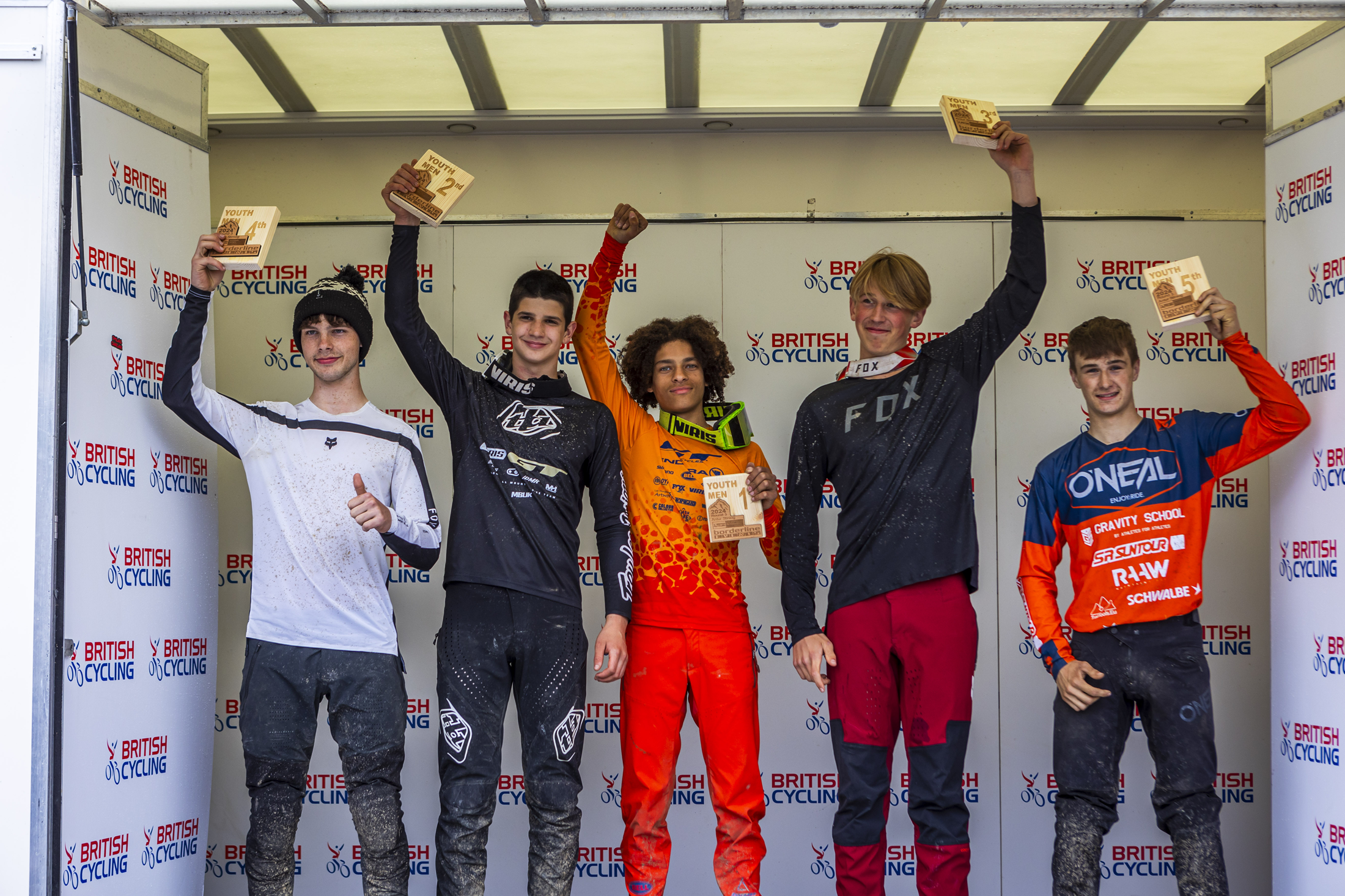
Coaching neurodivergent young people isn’t “special” coaching—it’s just good coaching.
By leading with play, communicating with care, coaching the child before the sport, and using relentless positivity to combat past adversity, you become more than a coach. You become a safe adult. A consistent champion. A builder of belonging.
Valuing individuals is key. Coaches should set the standard then others will follow.
And when that happens? The sport becomes more than a game. It becomes a lifeline.
As the child’s or young person’s competence increases, their differences become less important.
Other resources that you may like...
SHARE THE MOVEMENT
Help spread the word by sharing this website with fellow coaches!