
Zane’s Journey: How Sport and Advocacy Shaped a Young Golfer with ADHD
 Downloads
 by Play Their Way team
This is the first article in a two-part series on athletes with ADHD, starting with Zane’s story and his mother's advocacy. Their journey shows how understanding and structure can turn challenges into strengths for neurodivergent athletes.
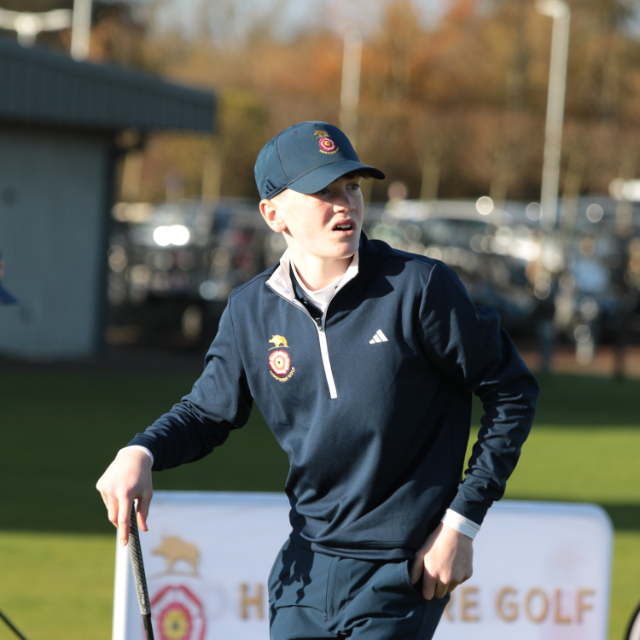
When Zane was diagnosed with ADHD at six and a half years old, his mother Claire understood that sport could be beneficial. Today, at 14, Zane has a golf handicap of 4.5, competes nationally, and has developed resilience, confidence, and self-belief through his athletic journey. Behind the highlights, however, lies a story of persistence, advocacy, and the power of understanding.
Finding the Right Sport
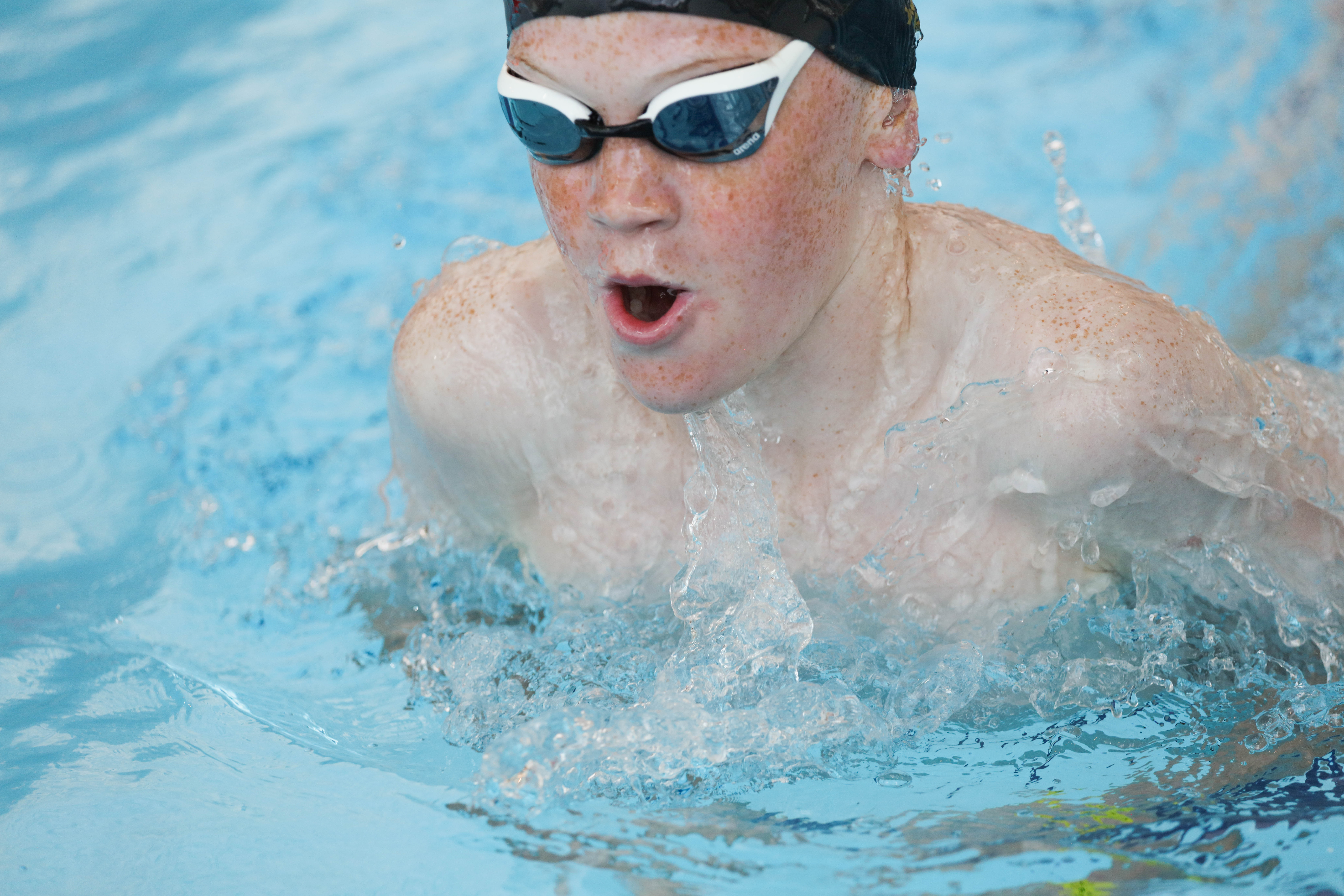
Zane started as a multi-sport athlete competitive swimming, tennis, football, and diving, before discovering golf. He now plays at a specialist sports school, where a holistic program connects sport and academics. This structure is vital for neurodivergent children, especially when academic challenges persist. For Zane, sport became a source of identity and confidence.
Golf appealed because of its demand for focus and dedication. Each shot requires full attention, and the rhythm of play helps him regulate. Even on difficult days, the game provides a sense of calm and purpose.
Coaching That Works
Zane thrives under coaches who understand ADHD and adapt their approach, which he has been fortunate to find at his sports school through his golf coach Karen Nicholls. Karen has instinctively understood Zane from the beginning.
Patience is key, repeating instructions without frustration, breaking tasks into single focus points, and summarising key ideas in bullet form. Visual learning works best, whether through slow-motion videos or live demonstrations. Morning sessions suit him, and repeating instructions back to the coach helps confirm understanding. Mental preparation includes breathing techniques and reframing mistakes: each hole is a reset.
Top 10 Reasons Sport Matters for Children with ADHD
Created in partnership with Neurodiverse Sport, Inspired by Zane’s journey in golf.
DOWNLOAD NOW
Advocacy Behind the Scenes
Claire’s advocacy has been central to Zane’s success. Initially, she focused on school, not realising that sport required the same level of explanation and support. Early experiences highlighted this gap such as a diving coach publicly criticising Zane for forgetting instructions, a common working memory challenge. These moments reinforced the need for proactive communication with coaches.
Advocacy meant building relationships and framing suggestions in ways that felt collaborative rather than corrective. Claire invested time in helping coaches see Zane’s strengths and understand his needs. She emphasised positivity, not just for Zane but for herself as a parent, because the emotional labour of advocacy is relentless. Every interaction required thought and planning, often feeling like a strategic game where the stakes were Zane’s confidence and wellbeing.
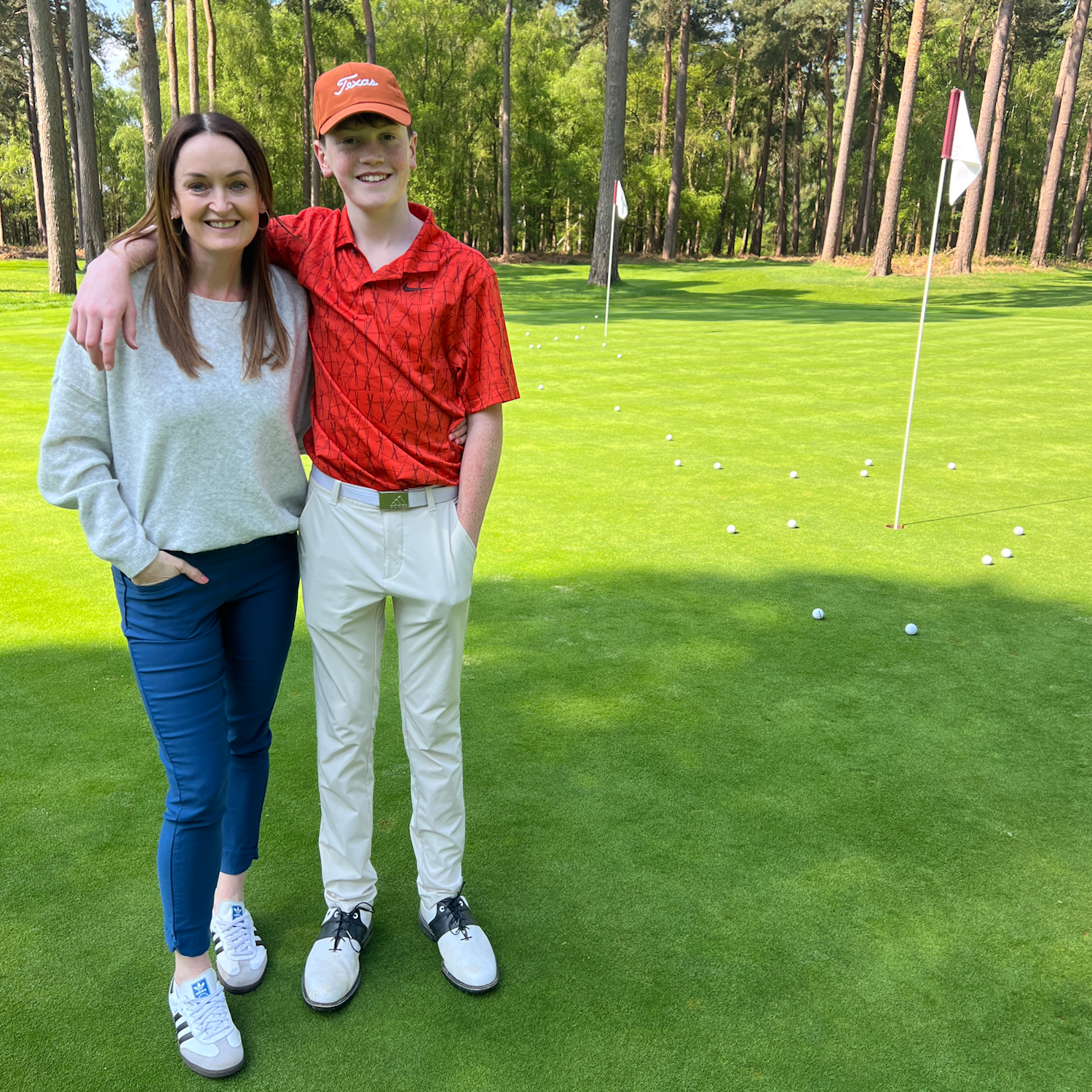
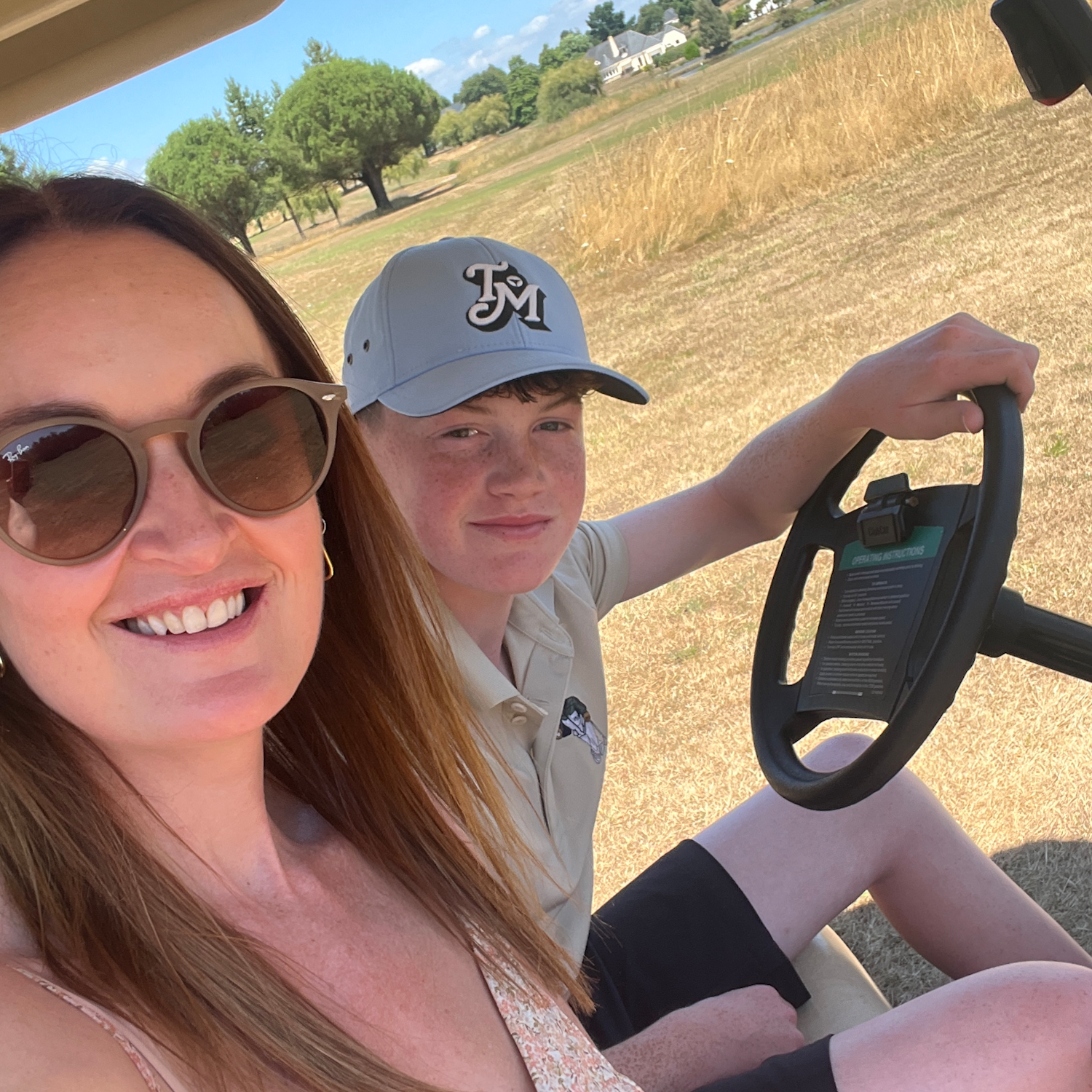
Claire worked to establish routines that support Zane’s regulation and performance. Simple actions hydrating every few holes, eating regularly, and planning mental resets make a significant difference. Executive function delays mean tasks must be presented clearly and without condescension, following a “stage not age” approach. Claire also normalised decompression, challenging misconceptions and highlighting the need for recovery after intense focus.
Learning to lose well was another important challenge. Zane’s passion and drive are strengths, but they can sometimes spill over under pressure . Strategies like texting his mum during matches help him release emotions and refocus. Coaches have also helped him shift perspective, learning to see the positives in performance rather than fixating on mistakes. Children with ADHD often experience emotions more intensely and can find it harder to regulate them in the moment. Supporting this process is about helping them understand their feelings, channel their energy, and build resilience through reflection rather than reaction.
Why Advocacy Matters
Claire’s experience shows how demanding advocacy can be. It requires persistence, creativity, and emotional resilience. In the past she faced resistance from coaches who were reluctant to change, but progress came through consistent effort and relationship building. Advocacy is not optional, it is the foundation for creating environments where neurodivergent athletes can thrive. Understanding the person behind the sport is essential for effective coaching.

Athleticism, Ambition, Advocacy
Zane’s journey reflects three themes: athleticism, ambition, and advocacy. Sport provides a positive outlet for ADHD’s intensity; channels ambition into structured practice and relies on advocacy to ensure the right support. With these elements in place, Zane has flourished not just as an athlete but as a confident young person with skills that extend far beyond the golf course.
Final Word
Sport is more than performance; it is identity, belonging, and growth. Zane’s story demonstrates what is possible when passion meets understanding and advocacy. For children with ADHD, the right environment can transform challenges into strengths and that transformation starts with people who care enough to make it happen.
Other resources you may like...
SHARE THE MOVEMENT
Help spread the word by sharing this website with fellow coaches!