

Journey: The Right to Develop
Support children and young people to realise their potential
The child-first coaching pillar, Journey is all about ensuring the young people you coach realise their potential. Sport can be an amazing space for children to learn and develop in lots of different ways.
Article 6 – the right of children to life, ensuring they survive and develop to their potential – JOURNEY.
Not only will young people be developing their sport and physical activity skills in your sessions, but they will be developing their life skills!
Remember – coach the child, not the sport! See how children are able to realise their full potential when you focus on all the ways they can develop in your sessions, and when you treat each child as an individual.

Give different children the chance to lead an activity, or even the whole session!

Praise children for good communication and make a point of recognising the children that have improved their communication skills.

There are always chances to build teamwork. Get the group to work together to solve the problem – and watch the teamwork grow!

Children’s rights can seem like an abstract concept when thinking about how you apply them within your session. This video with Chance to Shine explores how the life skill of resilience is realised within their cricket session. Listen to subject matter experts, UNICEF UK and BOING to spotlight how principles of Voice, Choice and Journey are being applied in the practical session to help young people understand how resilience applies in sport and then implement it.
- Take a moment to think about the different ways sport can help children to develop.
- How can you make sure that what you do as a coach develops the whole child, and not only their sport skills?
Case Study: Chance To Shine
Empowering Children to Shine and Shape their Own Journeys
In this video case study, we explore the Play Their Way pillar of ‘Journey’ and how Chance to Shine coaches use holistic methods, seamlessly integrated into child-first coaching sessions, to make the ‘journey’ philosophy an inherent part of all games-based interactions.
Insights from Ian Gregory, the Schools Programme Manager at Chance to Shine, and James Exley, the Programme Lead for Chance to Shine at Cricket East, reveal the process of how to develop these essential behaviours.
The video underscores the significance of sports-derived skills like resilience, confidence, teamwork, and decision-making, and their role in fostering success in sport and life.
If you want to equip yourself with effective strategies to cultivate essential life skills in children and young people, and arm them with a versatile toolkit for life, then this video is a must-watch for you!
It draws attention to the vital intersection of sport skills and life skills, an understanding of which can enhance a coach’s impact on the holistic development of children and young people.
The video presents a roadmap for coaches to empower every young person to steer their own journey in sport and physical activity. It spotlights the transformative path the children at a school we visited recently have embarked on by virtue of the pillars of Voice, Choice, and Journey being so deeply embedded in the approach of the coach.
The child-first approach advocates for giving children greater autonomy over their learning journey. Ian and James emphasise the role of the coach as a facilitator, using co-creation to involve children in every step of the game-play process, acknowledging that the ‘journey’ is theirs, and encouraging children to share their thoughts and ideas.
Play is highlighted as a powerful motivator on their individual journeys, with cricket the medium for imparting important life skills and fostering holistic development.
The video also stresses the significance of dialogue with the young people being coached, promoting inclusive interaction during play activities and recognising the value of social peer-to-peer learning as well as encouragement and guidance by the coach. It encourages coaches to provide an outline and let children choose the elements they want to work on as the session unfolds, reinforcing that development is a byproduct of play and choice.
The case study as a whole serves as a testament to the transformative power of the ‘Play Their Way’ principle of ‘Journey’ and its profound impact on holistic child development. It stands as a valuable resource for coaches committed to making a difference in the lives of the children they coach.

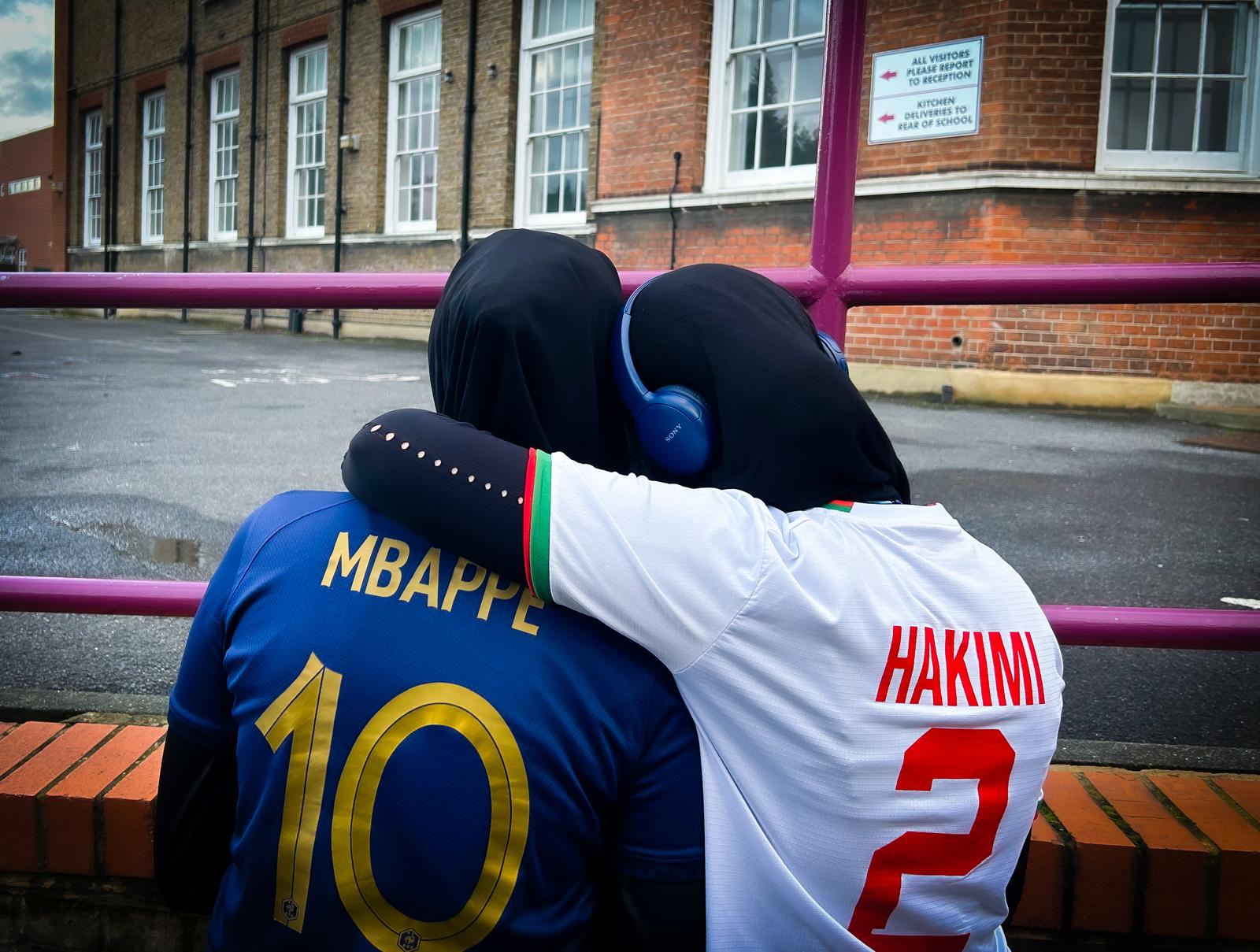
How can you encourage ethnically diverse girls' journeys in sport?
Barakah LDN is a grassroots community space for women and girls to play football, founded by sisters Siham and Sagal Abdullahi. Siham and Sagal have created a free downloadable resource for Play Their Way to support coaches to decrease the barriers facing girls from ethnic minority backgrounds in sport.
To find out more about Barakah LDN, listen to our podcast episode with Siham and Sagal as they reflect on their experiences from growing up loving football, to feeling excluded and dropping out, to coming full circle to create a new inclusive space for Muslim girls in their community to play football.
Other resources that you may like...
Intro to Children's Rights
Wondering where to start when it comes to children's rights. Take a look here.
READ
Philosophy in Practice
Why do children's rights matter? Delve into a child-first approach in practice with Dr. Alex Twitchen
READ
Voice
Take a more in-depth look at Voice and what the Right to be Heard looks like in practice.
READ