
Introduction to Children's Rights
What are children’s rights and why do they matter?
The resources below will help you to discover more about children's rights, and how to apply them when coaching sport and physical activity.
When exploring children’s rights, a useful starting point is to think about the hopes and dreams you have for the children who take part in your sport or physical activity.
Take a moment to reflect on your hopes and dreams for the children you coach.
Keep these hopes and dreams in mind as we explore rights in more detail.
One way that makes rights different is to begin by thinking about people's needs. Meeting needs is clearly a good thing but…

- Who determines ‘need’? Who decides whether you really need something?
- Where are those decisions made?
- Is it a top-down model? Where something is done to you, rather than done by you and with you?

When meeting children’s needs, there can be a power imbalance of ‘you need’ so ‘I deliver’, placing the power in the hands of the person who decides what you get. Rights are different from needs:
- They are factual and defined – this means they have been globally agreed and they aren’t based on whether someone thinks you need something at a particular moment in time, or in a particular context.
- All the rights are equally important – and they are connected. You can’t pick and choose the rights.
- They are universal – for everyone. Every child has the rights under the UNCRC simply by virtue of being born – and those rights are theirs until they turn 18 and they can’t be taken away.
- Everyone has human rights – we are all rights holders – but some of us are also duty bearers – we have obligations to help children enjoy their rights – sports coaches that work with children are duty bearers.
- Rights are not only about keeping people safe – they are empowering – they cover protection, provision and participation.

When children know their rights - they own their game!
Imagine a world where every child and young person is seen, heard, and valued, where they can play the way they want to.
That's what child-first coaching that respects rights is all about, and that's what the Play Their Way movement aims to achieve.
Want to know more? Read this useful resource with UNICEF UK, which explores children’s rights in sport and physical activity, to support an understanding of a child-first coaching philosophy.
Watch this 2 minute introduction about Children's Rights in sport and physical activity.
Applying children’s rights in sport and physical activity?
Respecting rights ensures that children remain at the forefront of their sporting experience. Many coaches are doing this already (perhaps unknowingly), and we encourage you to be more intentional and deliberate about practice that recognises and respects children’s rights. What do we mean by this? Listen to our Podcast episode with UNICEF UK and ICoachKids as they share how small changes to practice make a big difference.
- What else would you like to know about the UN convention the rights of the child?
- How can you be more intentional to support the rights of the children you coach?
- How can you actively encourage children to be more aware of their rights?
Resource
Want more tips on how to apply Voice, Choice and Journey in your practice? Here is a Top Tips worksheet adapted from the How Do Children’s Right’s Apply to Sport course developed with UNICEF UK and I Coach Kids.
DOWNLOAD
Where is the best place to start?
Child-first coaching is grounded in three pillars:
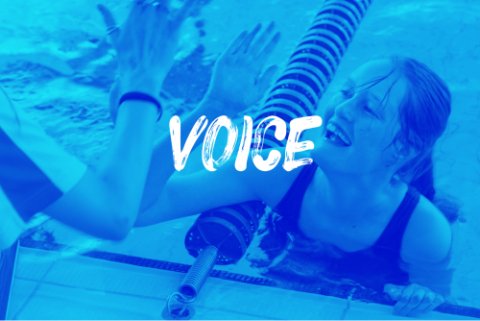
- Voice: The Right to be Heard
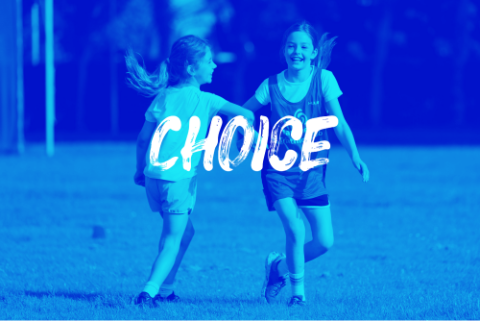
- Choice: The Right to Play
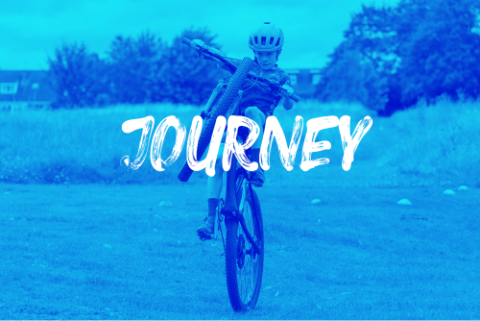
- Journey: The Right to Develop
Voice can often be the best place to start. Listening to what children have to say about their experiences and facilitating space to co-create and develop with you what you do, is a fundamental of child-first coaching practice.
Article 12 of the UNCRC – the right of children to have a say on issues that affect them – VOICE.
You can start with the small things – like getting input from the children about what they would like to do, or what they enjoy – and then build towards something much bigger – like co-creating your session plans with the children, supporting them to design and deliver a session themselves, or even have them provide input on longer term plans for your club.
Don’t take it straight from us, watch this powerful video with young people from London Youth Games. They have shared their experiences of sport and coaching to show how impactful it can be when their voices are listened to, and they become active participants in their development.
Once children realise their views are being taken seriously – they will start to speak up more!
- Take a few minutes to reflect on how you support children to have a say in your sessions and in your club, and what you do with that feedback.
- Consider how the words or language you use as a coach can impact the children you coach?
- What 3 things might you do in future to move your practice forwards?
Child-first Coaching in Action
Children’s rights can seem like an abstract concept when thinking about how you apply them within your session. Child-first coaching is both intentional and skilful and to help unpick what we mean by this we have created a video of a Chance to Shine cricket session and subject matter experts, UNICEF UK and BOING to spotlight how principles of Voice, Choice and Journey are being applied in the practical session.

From watching the video I have learnt how important the children’s voice and choice throughout the session can affect how they can achieve the skills in their own way and work at their own pace. The comments from the experts were really positive and I have taken on board some of these to use. Next time I’m going to try and give the children more opportunities to voice their opinions and feedback, whether that is with myself or with their peers.
Beth - Chance to Shine Coach
- What did you notice about the role of the coach when watching the film?
- What did you think about how voice, choice and journey were applied?
- Is there anything you would have done differently if applying those principles within your own practice?