
Dorney Boat Club: An Oar-some Spotlight on Child-First Coaching
 Video
Video with Dorney Boat Club
Our video case study with Dorney Boat Club Rowing Manager Hannah Vines – the 2024 UK Coaching Community Coach of the Year, Children & Young People – is packed with insights on how to incorporate the child-first coaching pillars of Voice and Choice into your sessions.
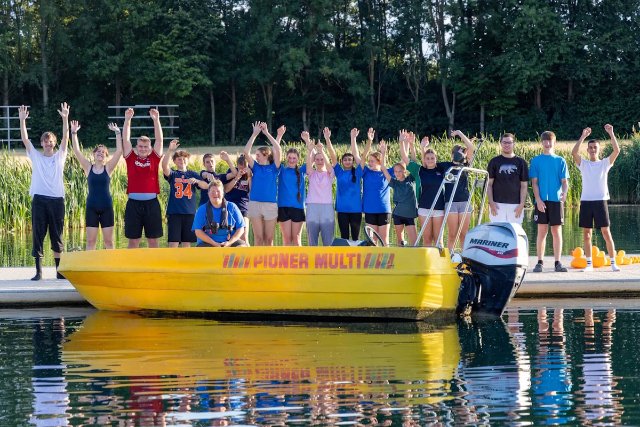
by Blake Richardson
One of the talking points of our home Games was that 18 of Team GB’s 29 gold medals came in sitting-down sports. A similar ratio followed in Rio, Tokyo, and Paris, earning Great Britain a reputation for standing out while sitting down.
We may excel at getting from A to B faster than other nations on two wheels, on a horse, in a dinghy, canoe, kayak, or rowing boat. But given that these sports involve being seated, you might wonder how, from a coaching and development perspective, the element of play and the integration of positive child-first experiences can be achieved. Is it difficult to implement a child-first strategy in these sports? Is there room for games-based learning, for offering choice in activities, and for listening to the voice of participants who may be seated in a row, one behind the other, enclosed on a boat in a body of water?
Hannah has demonstrated through her inclusive and fun rowing sessions at Dorney Boat Club that the answer is an emphatic ‘yes’.
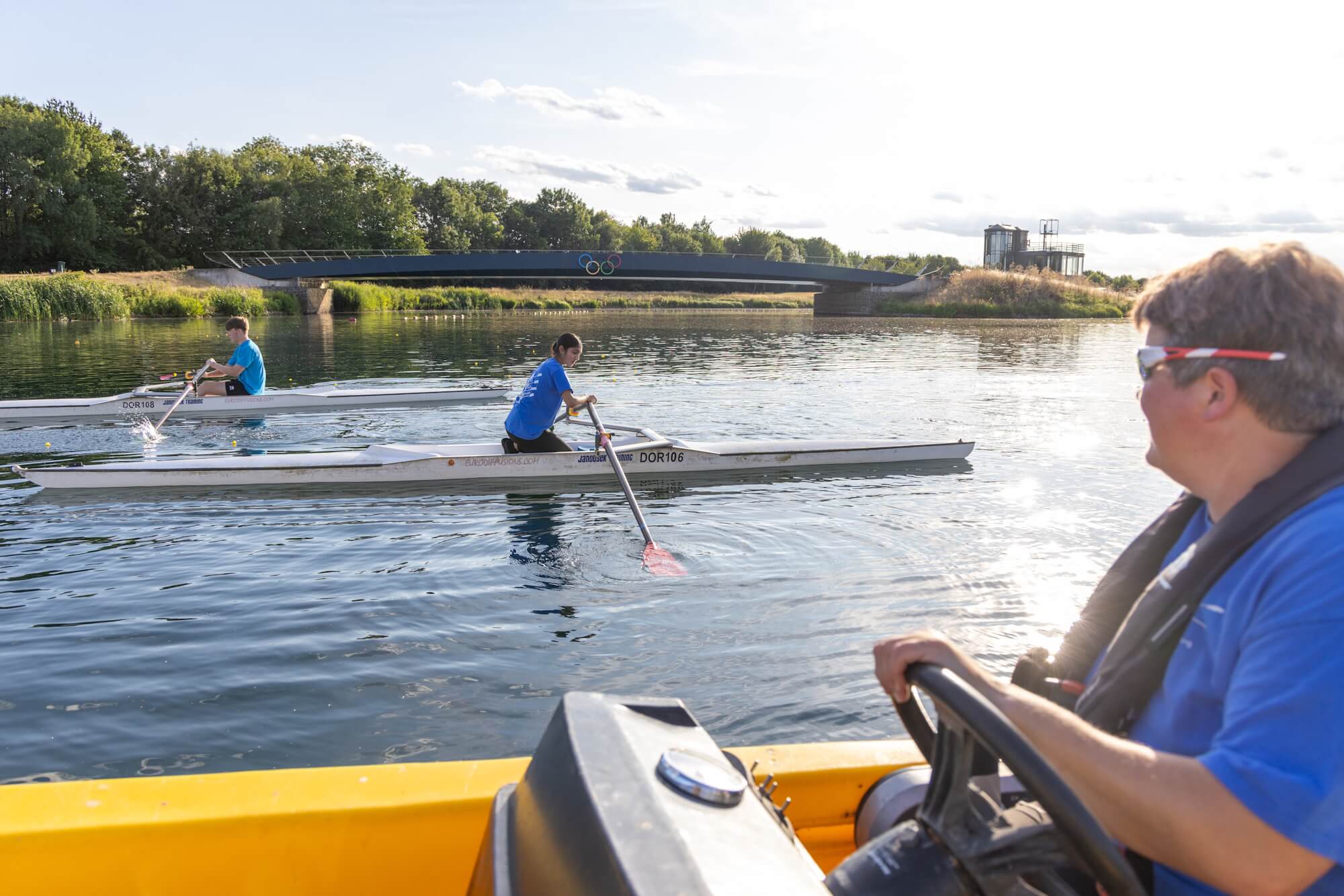
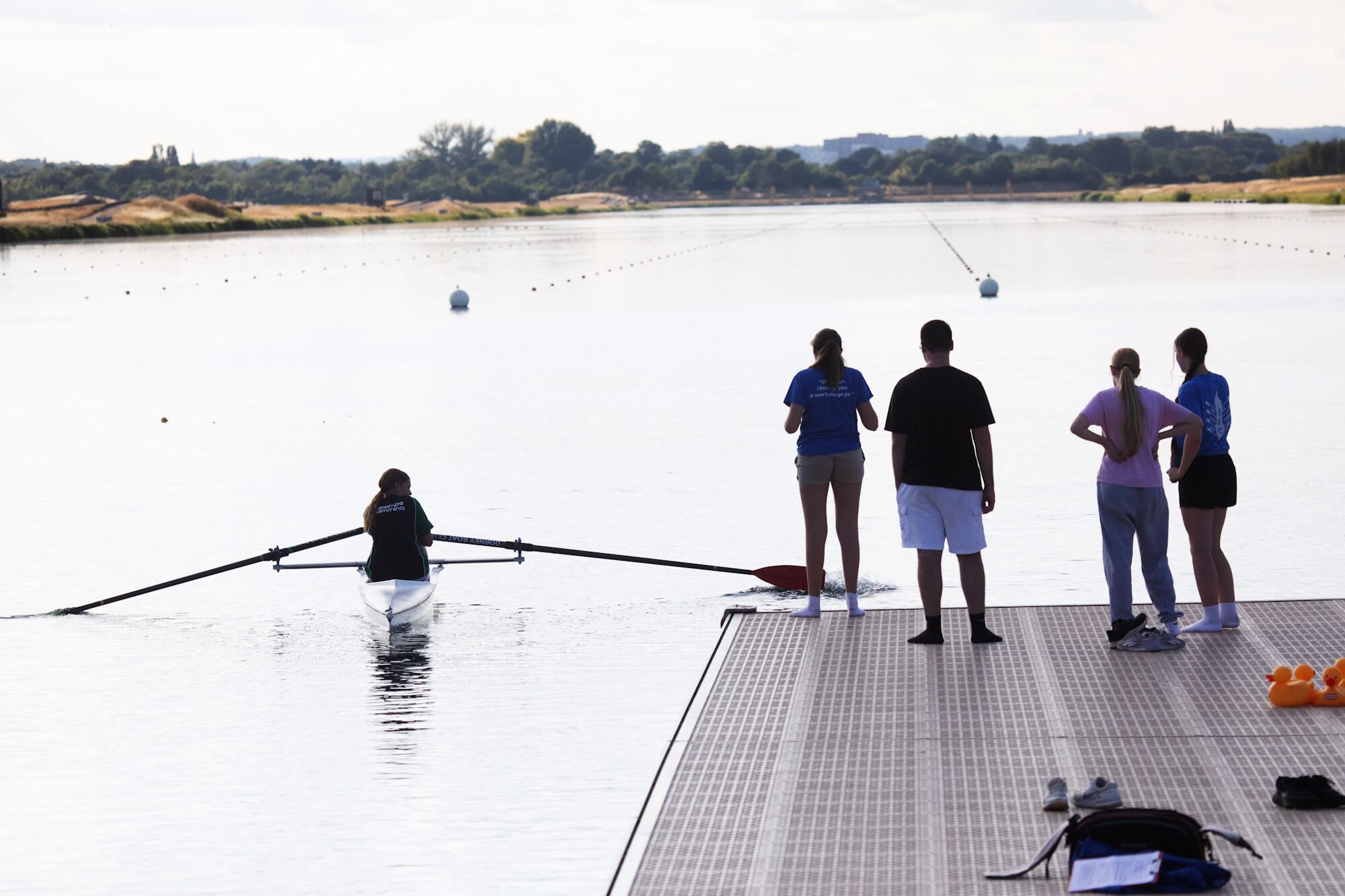
All pulling in the same direction
Having recently completed her Level 4 Advanced Coach qualification, Hannah is a shining example that you can excel in your field – or, to use a boating metaphor, be a master of your craft – without needing to be a performance coach working with elite athletes.
Hannah’s success as a coach is not defined by results on the water but by delivering coaching sessions that inspire young people, focusing on her rowers’ holistic development.
She has a strong conviction in her values, stating:
I don’t need great rowers I need great people."
This value is shared by the club, which does not define itself by wins but by its culture of ongoing growth.
“My philosophy is simple: be safe; let’s have some fun; leave a child in a better place than you found them.
“And my coaching methods are deeply rooted in my own journey: experimenting, making mistakes, and learning from those mistakes.”
That journey includes rowing for Henley RC, where she competed in the Junior Worlds before transitioning to a coaching role at the club.

Talking of transitioning, Hannah admits she started out very much as a technical coach, integrating the same learning methodology into her coaching practice that she developed from teaching business studies and sports science.
Her approach underwent a significant transformation during a course she attended, which introduced her to the importance of play and human movement. “This was my eureka moment.”
Now, Hannah places greater emphasis on coaching behaviours and communication skills in addition to technical knowledge, and has a real passion for game-based learning and play.
Never down ‘play’ the importance of fun and games
Ask any coach at Dorney Boat Club, and they will agree that racing should not be the principal focus of rowing. If house buying is mainly about location, location, location, then club sessions at Dorney Lake are about fun, fun, fun.
Our competition structure as a sport is A to B and getting across the line first. But play is intrinsic to the development of young people. So, it’s not about slogging away on rowing machines and in boats. We have to put some playfulness in there.”
Hannah says that historically, she’d be very much about instructing young people how to hold an oar; how to maneuver a boat.
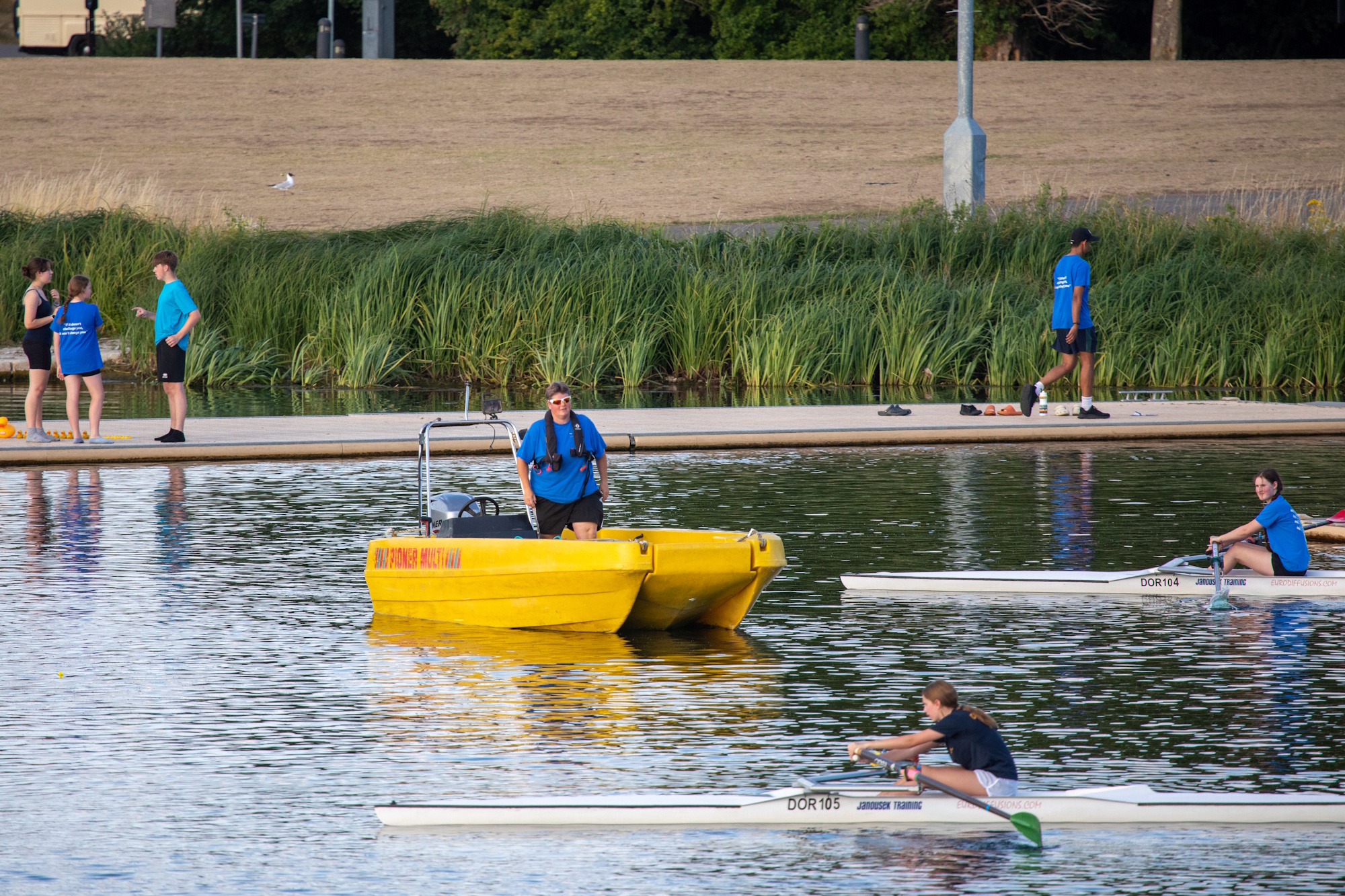
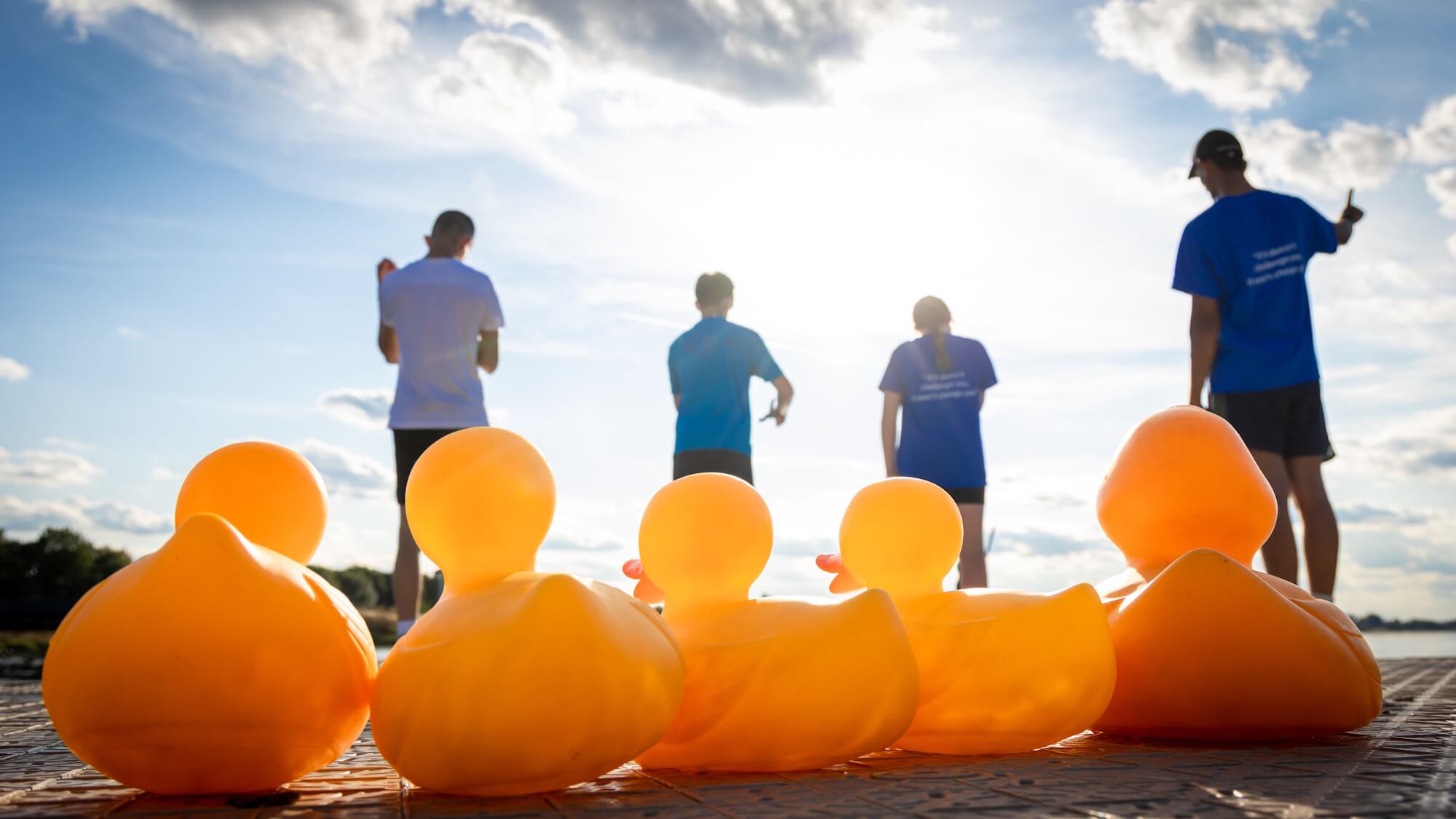
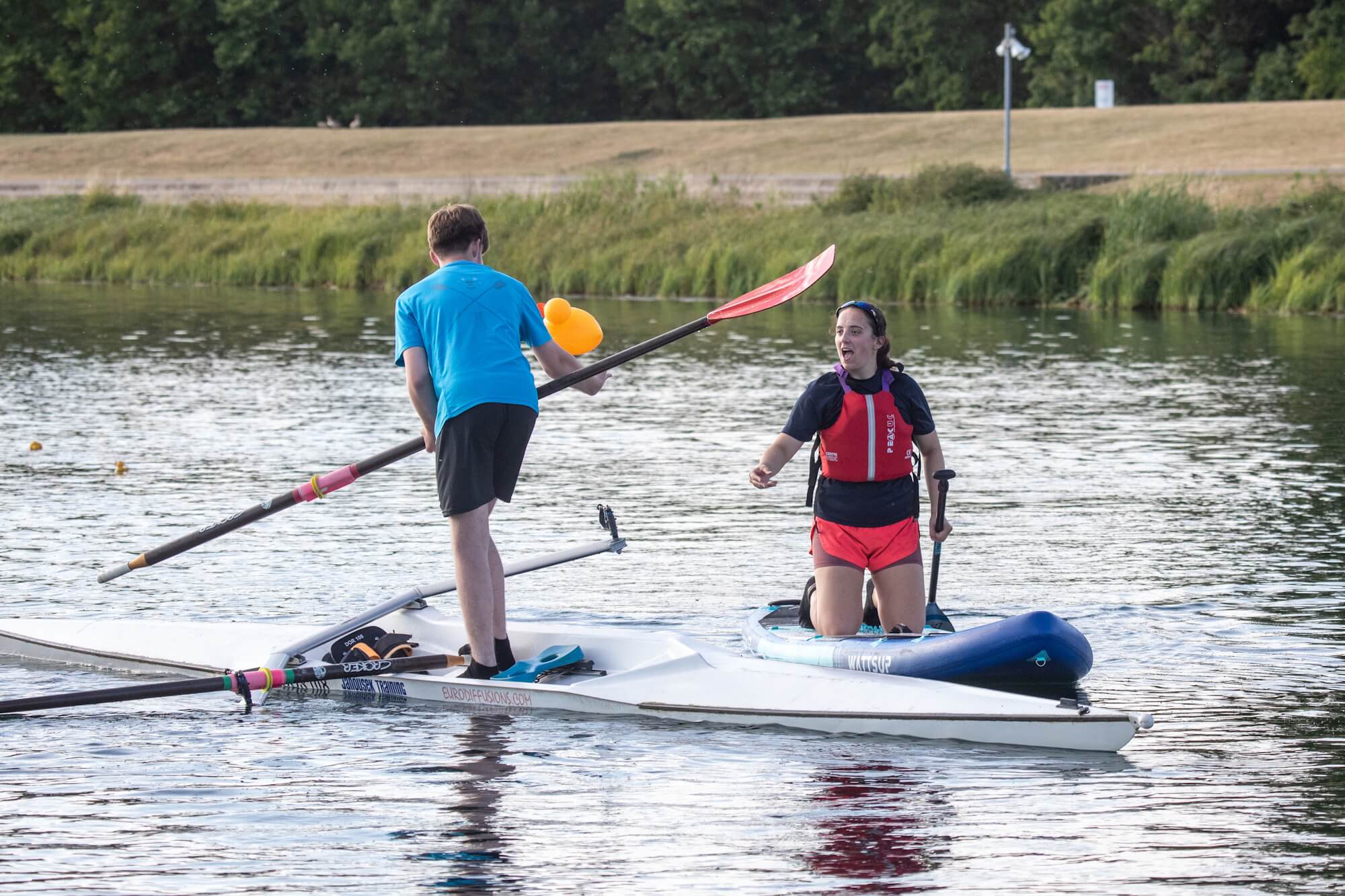
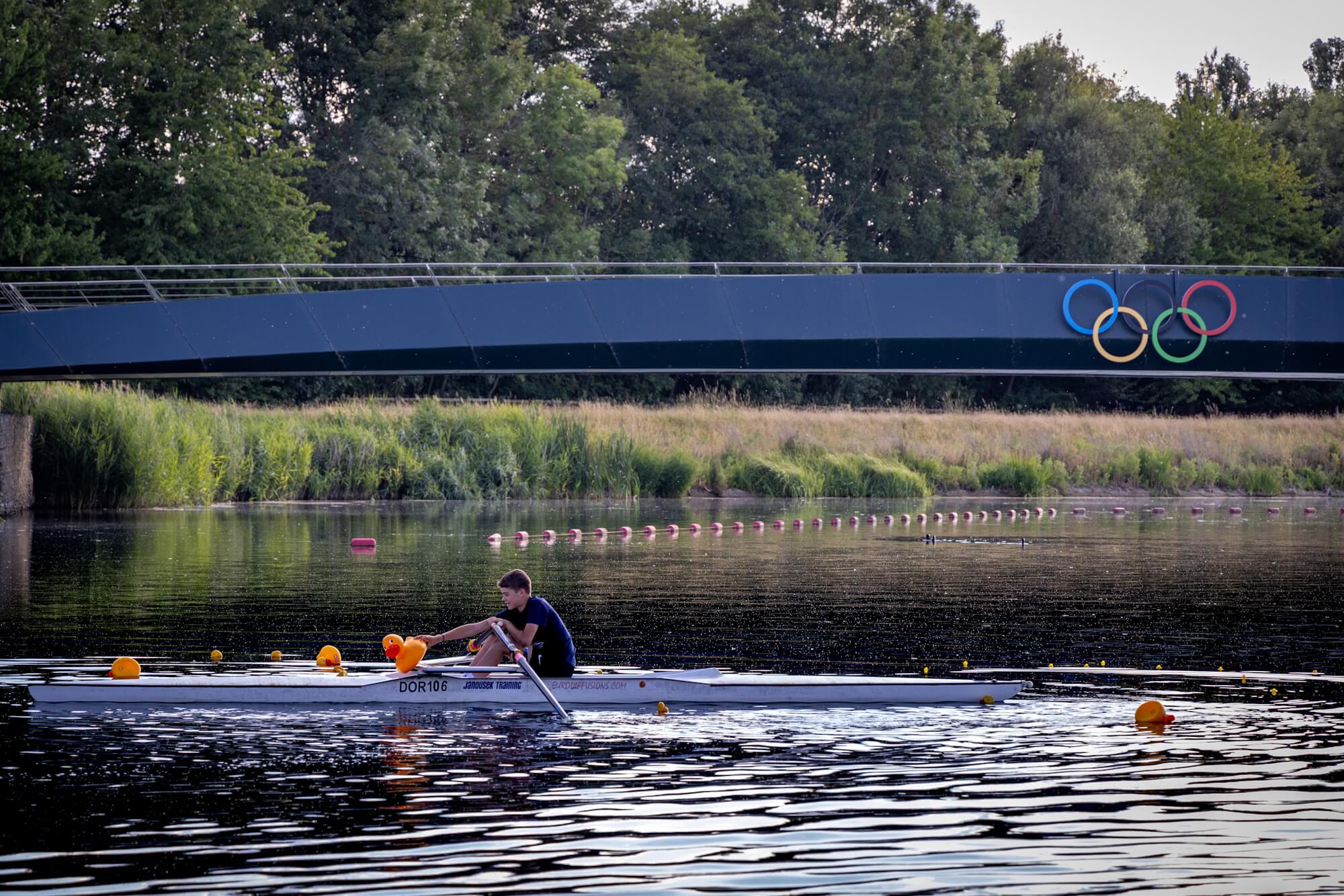
“I’ve completely switched. I’ll use markers and throw rubber ducks into the water and tell them the challenge is to get 10 ducks. I’ll give them the basics of how to maneuver and give them the freedom to then go and figure it out for themselves. And they’ll all have a giggle doing it.”
While retrieving, reaching for, or throwing ducks, children develop essential skills like steering, balance, coordination, and teamwork. At the same time, they’re learning how to place the oars correctly, maintain symmetry and balance to avoid tipping, listen to teammates for steering guidance, and coordinate effective strokes.
On the Play Their Way podcast Hannah features in, she uses the examples of the club’s end-of-season regatta and annual summer camp to illustrate how, while competition is optional, play is a priority focus of the club.
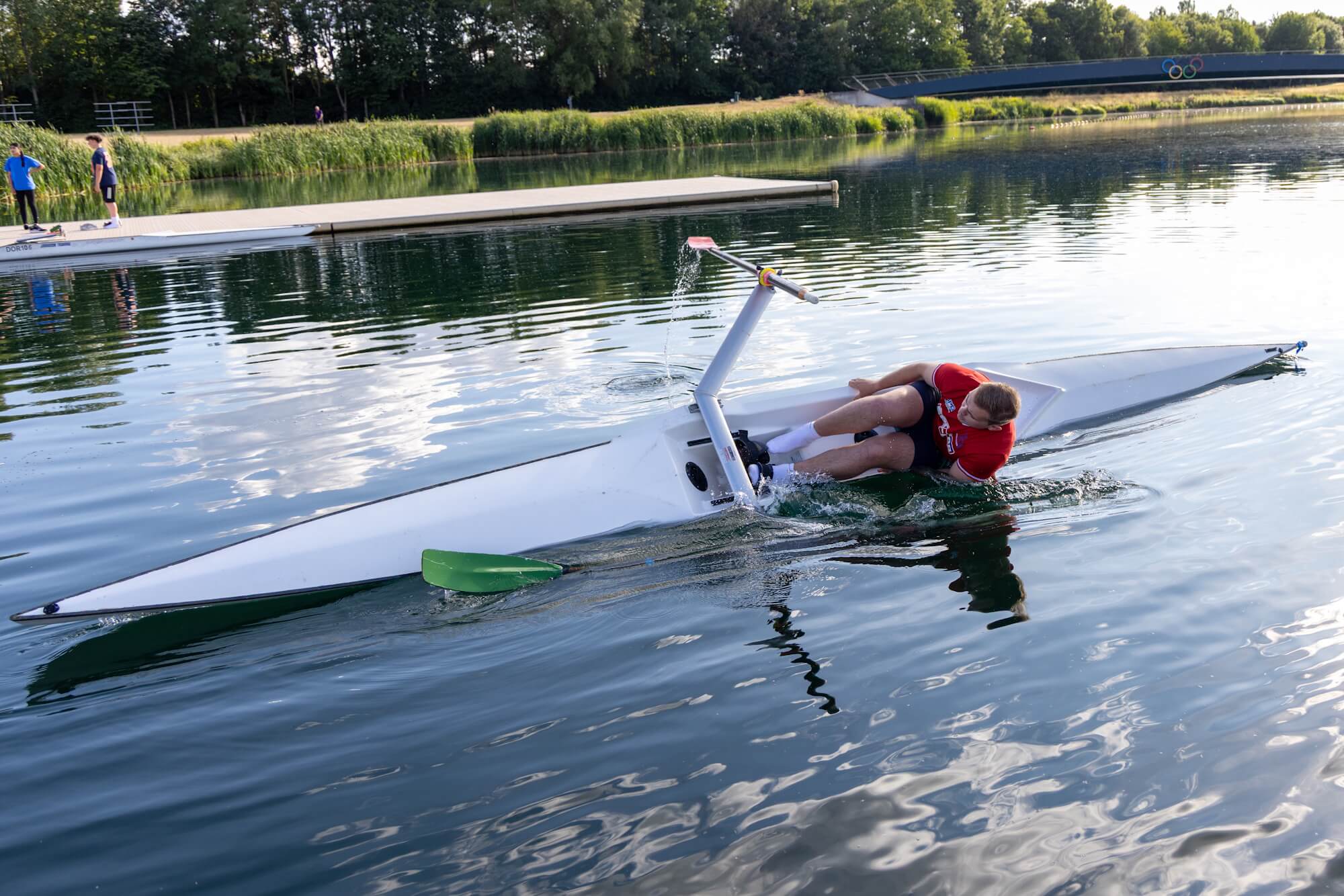
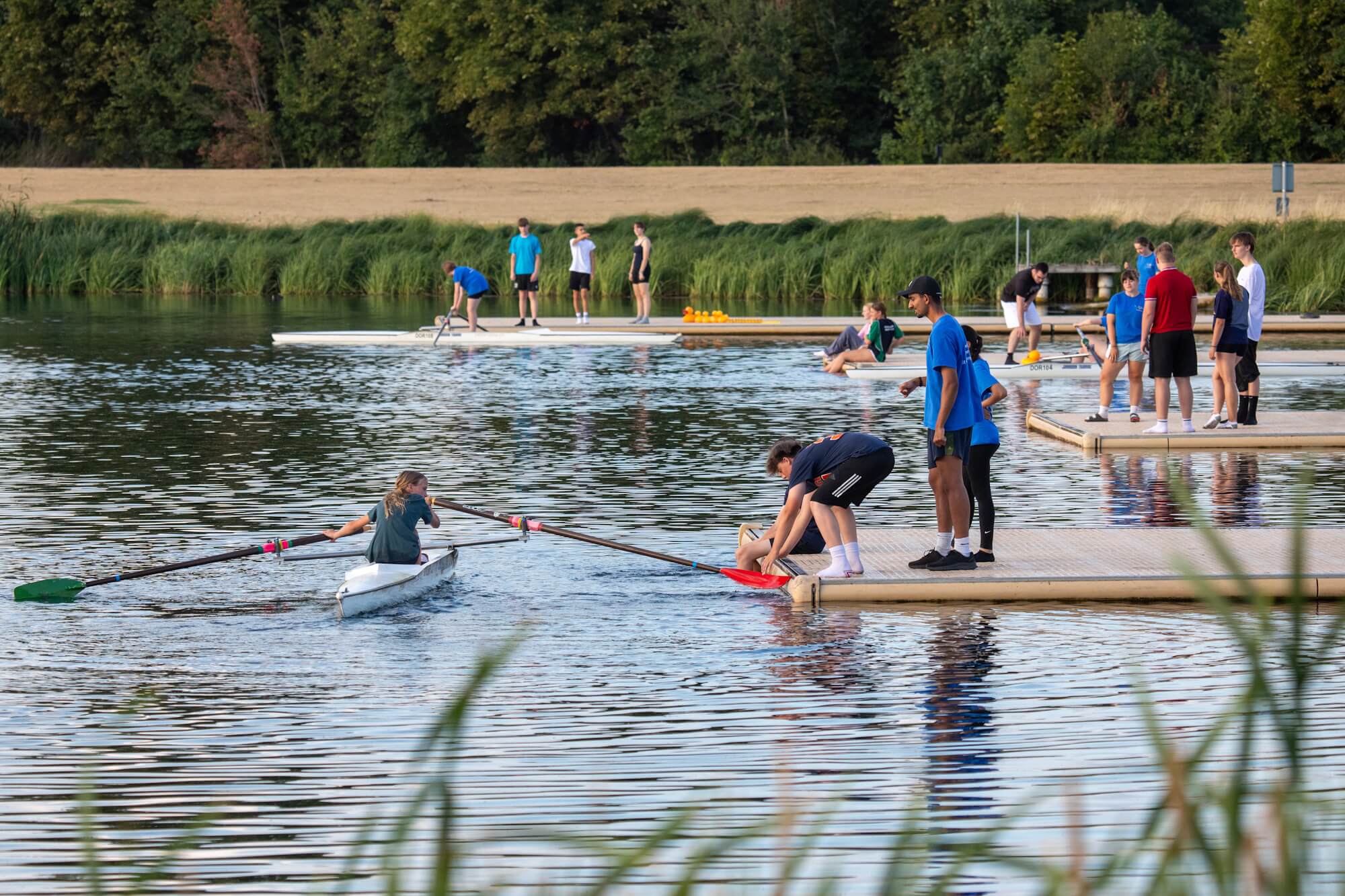
“On the Thursday morning during our summer camps, we tell all 60 young participants that we’re going to do some challenging, fun activities with the aim of making them fall into the water. Of course, we have clear boundaries and health and safety precautions in place.
“Those in the elite group, who have been receiving high-quality coaching for three days, love the chance to have some fun. It helps bring together beginners and high-performance athletes.”
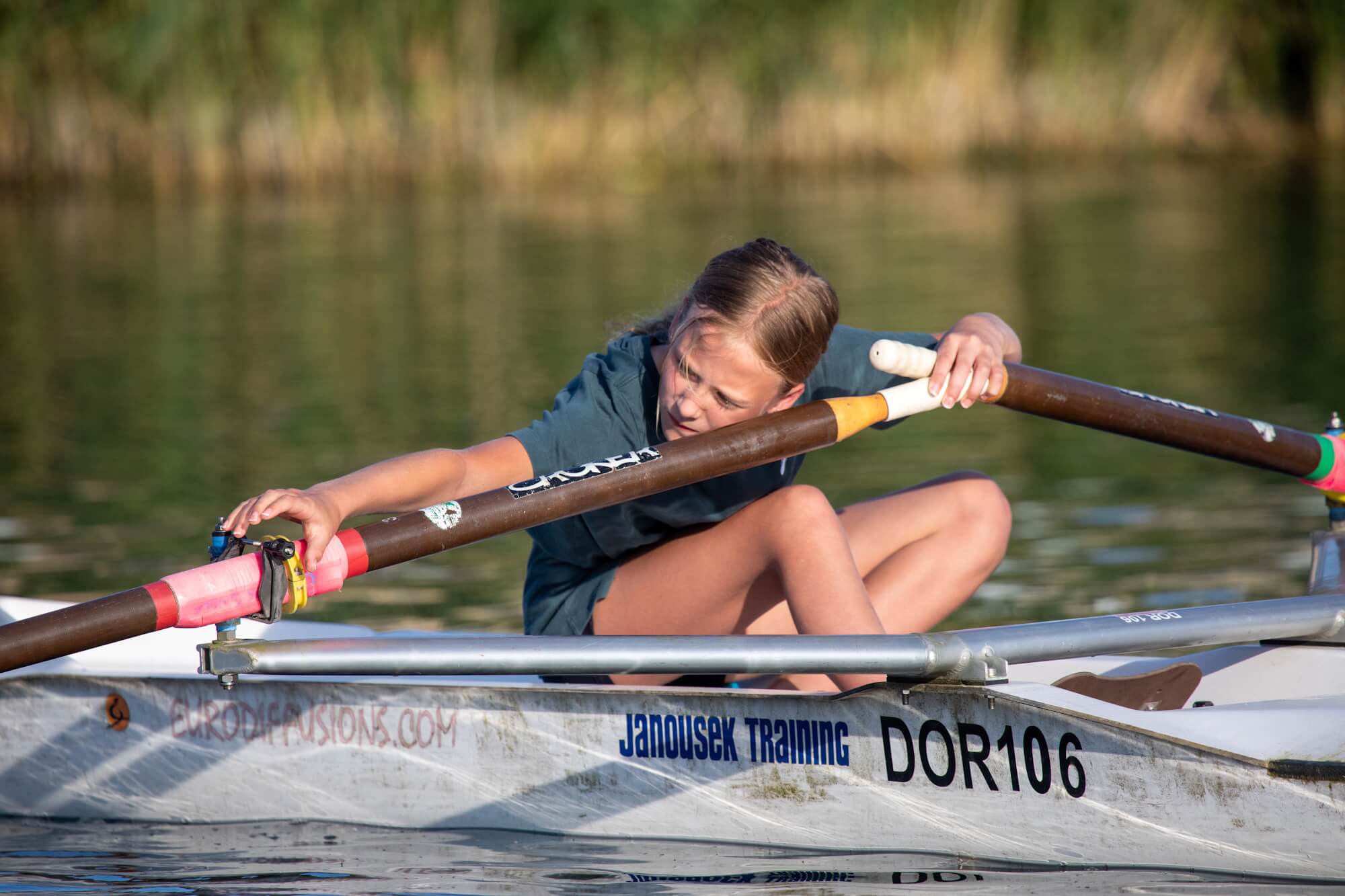
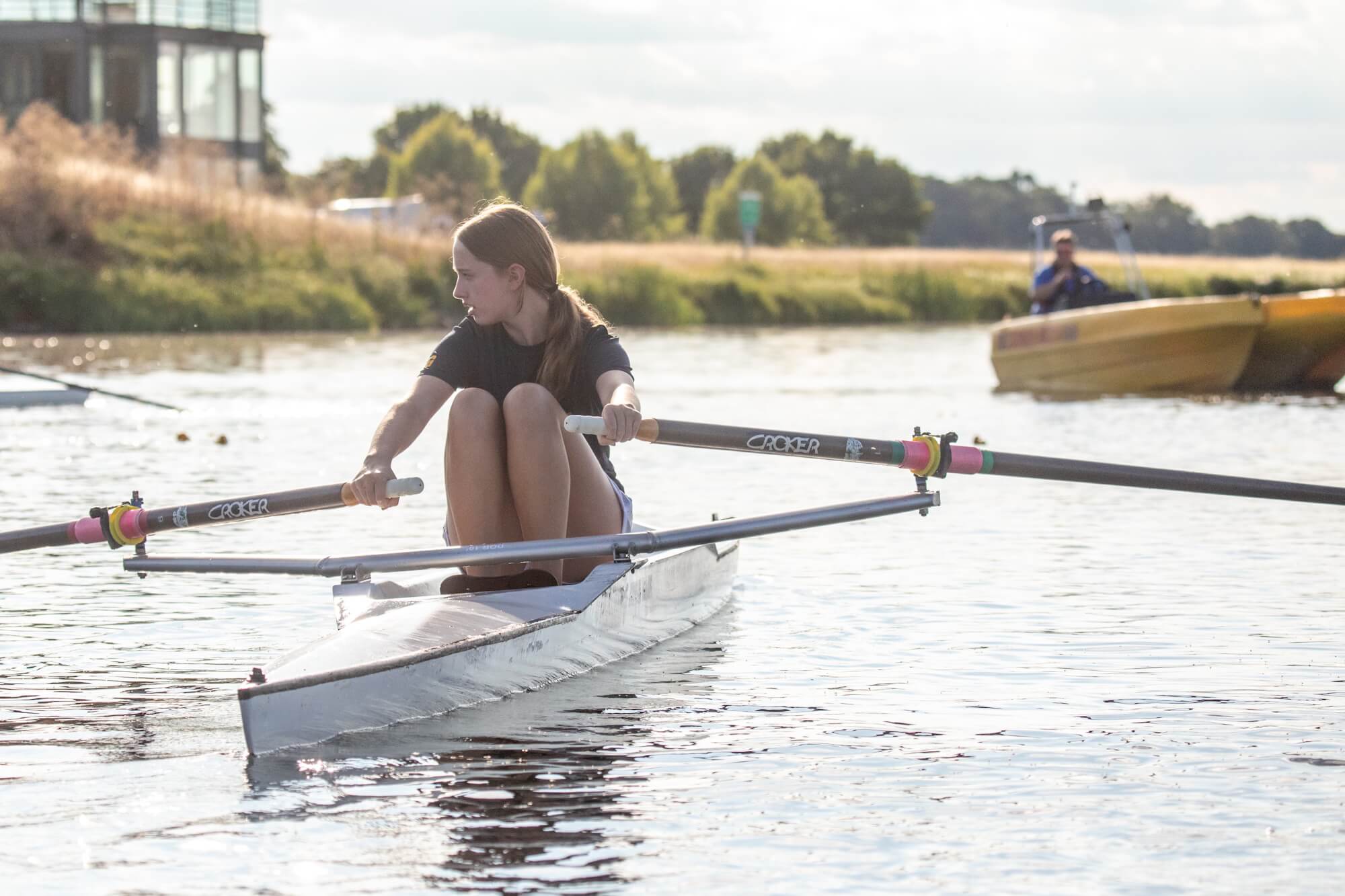
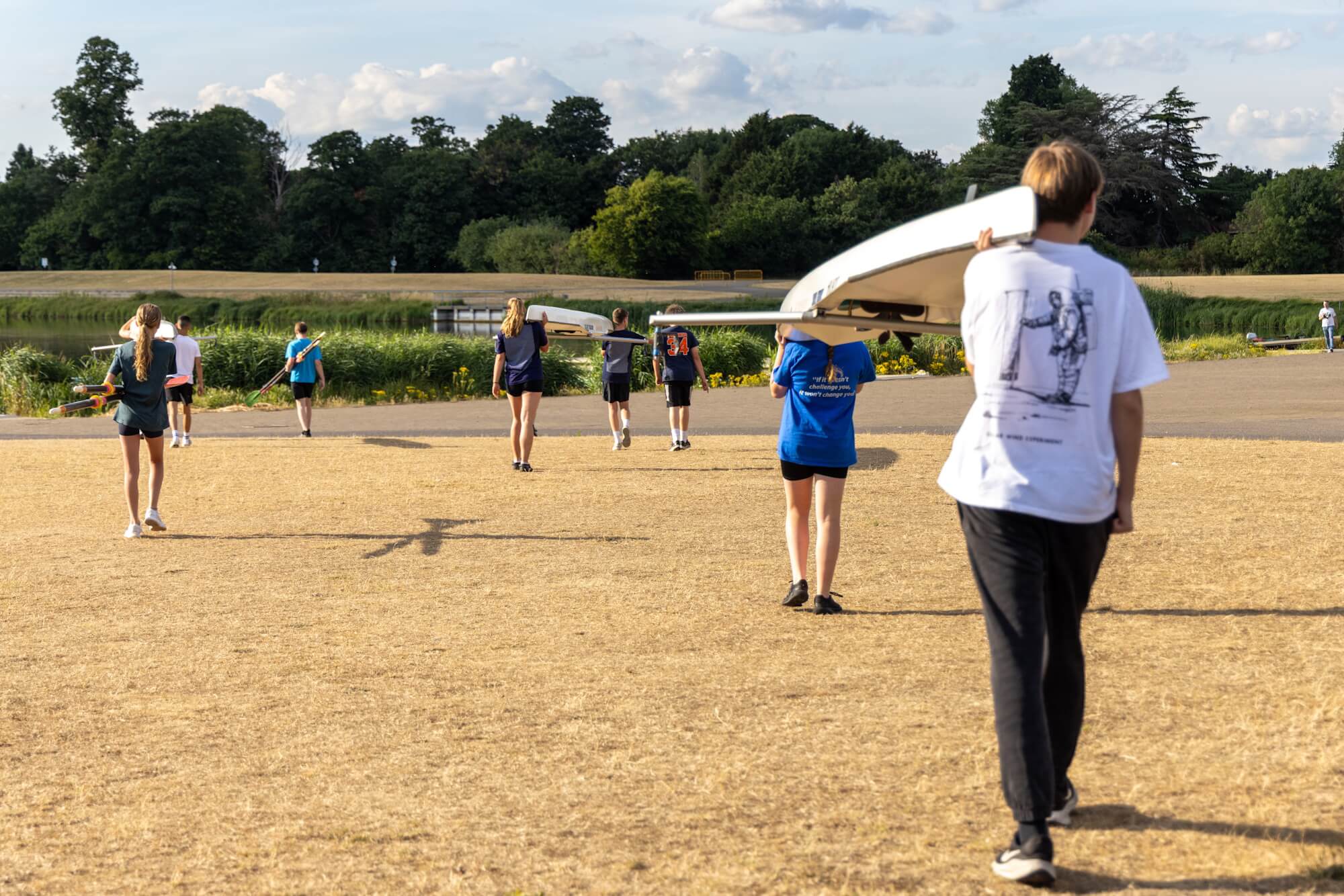
Implementing the child-first pillar of Voice
While participation is important for any club, achieving personal goals and milestones is equally crucial.
In the context of child-first coaching, this involves giving athletes a voice in their journey, understanding their individual goals, and supporting them in achieving those goals by acknowledging their efforts and progress, rather than just their presence. This creates a more inclusive and motivating environment where everyone feels valued and driven to improve.
“Hannah is very deliberate with her use of language. You will often hear her trademark ‘right, what do we what to achieve today champs’ on arrival at the lake,” says Rachel Hooper, British Rowing’s Learning, Education and Development Manager.
Rachel adds that, as well as welcoming every person by their name on arrival, Hannah will ask a pertinent question about something that is happening in their lives, such as exams or a family event.
“She builds a connection with every participant in spite of the huge numbers she supports over the course of a season.”
Being led by the needs of every individual means she can ensure everyone is heard and treated equally.
It can be energy zapping but once you’ve done that a few times, you aren’t going to them, they are coming to you. You have that connection,” says Hannah. “They have worked out that psychologically they are in a safe space. That way no-one becomes the ‘grey child’ – overlooked and misunderstood.”
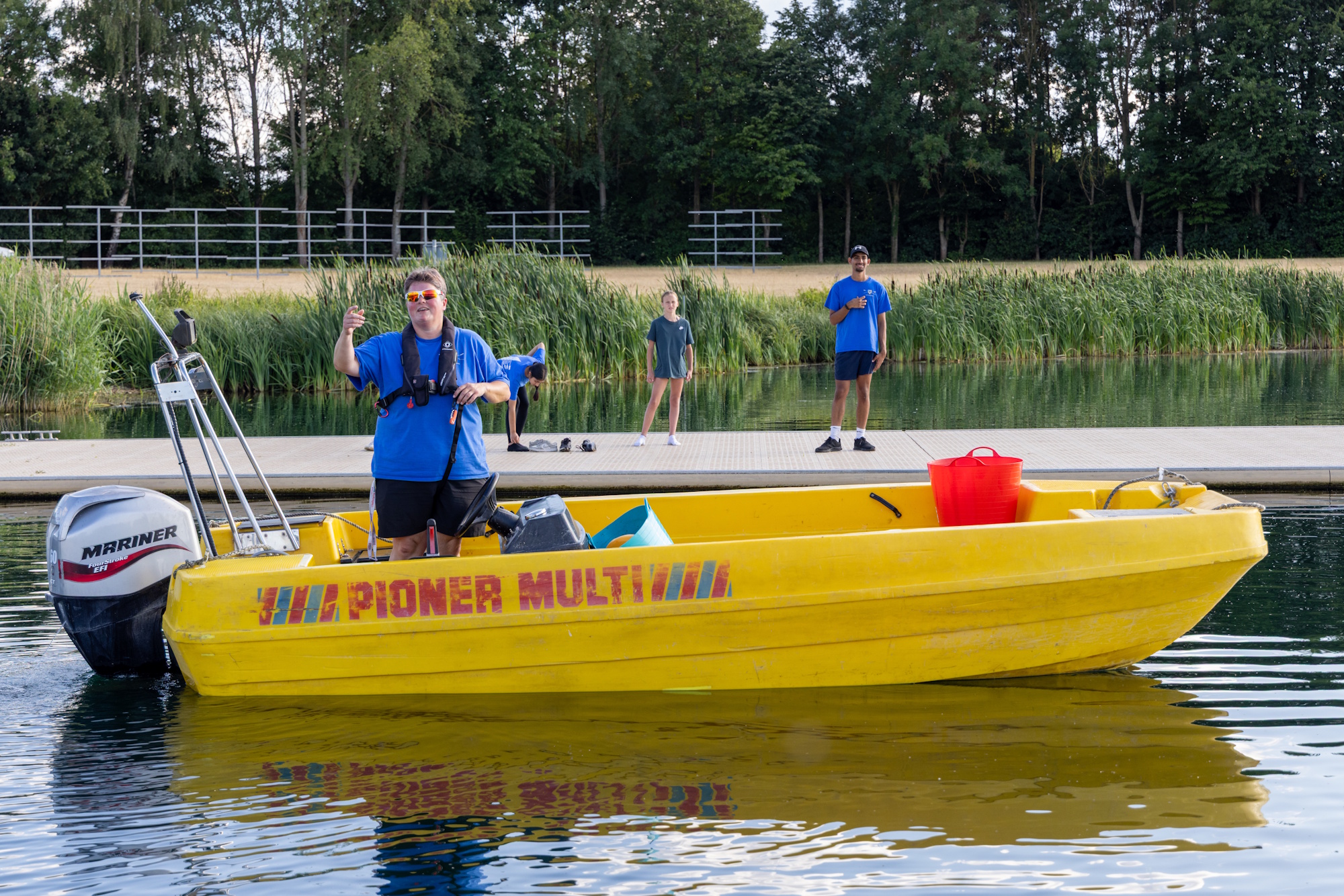
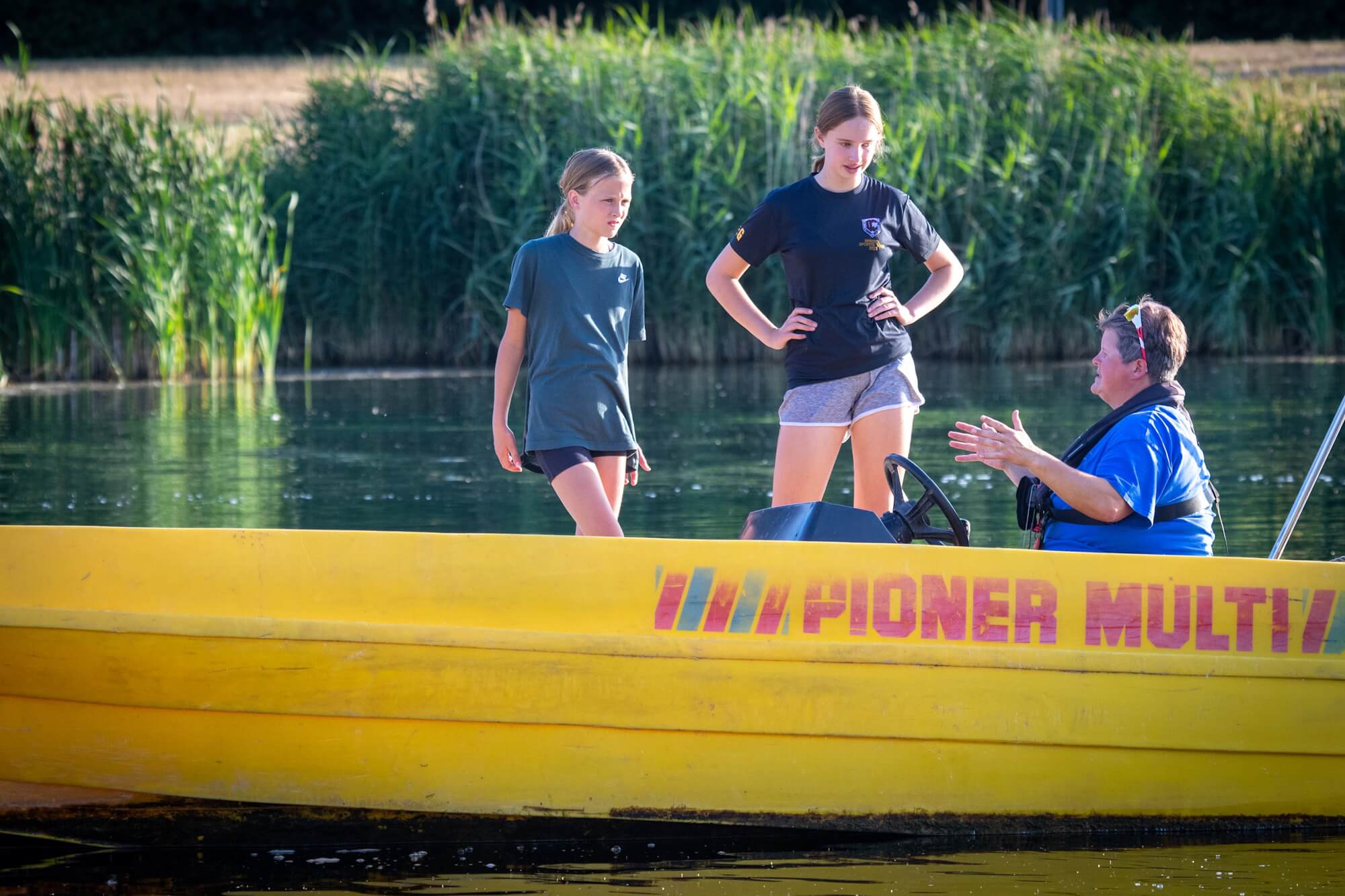
Hannah’s sessions are guided by the need, ambition, and often the mood of the young people she coaches. The start of each session is a two-way conversation, ‘what do we want to get out of the session today?’.
“She knows when to push, and when to be led,” says Rachel. “There is a warmth to her coaching style which automatically puts everyone at ease.”
Giving her participants a chance to express their thoughts and preferences through a two-way dialogue – focusing on positive reinforcement when things go well, and helpful questions when it doesn’t – empowers them to contribute to the session's design, fostering a sense of ownership and engagement.
Implementing the child-first pillar of Choice
Hannah believes that children should have the autonomy to define what success means to them, and that coaches can assist them in discovering that.
At grass-roots level, there are numerous opportunities to offer choice. It can be as simple as the child requesting: Can I row in this boat? Can I row with my friend? You might give them the option of what position they would like to take in the boat; whether to focus on endurance, speed or technique in a session; the choice to set their own personal goals or milestones; the freedom to choose the warm-up routine.
Offering an element of choice helps to make the rowing experience more enjoyable and personalised for each child.
Hannah will also encourage rowers to set their own challenges and take genuine ownership of pushing their boundaries through their chosen activities. The tone of each challenge is fun, whilst stretching her participants to develop new skills.
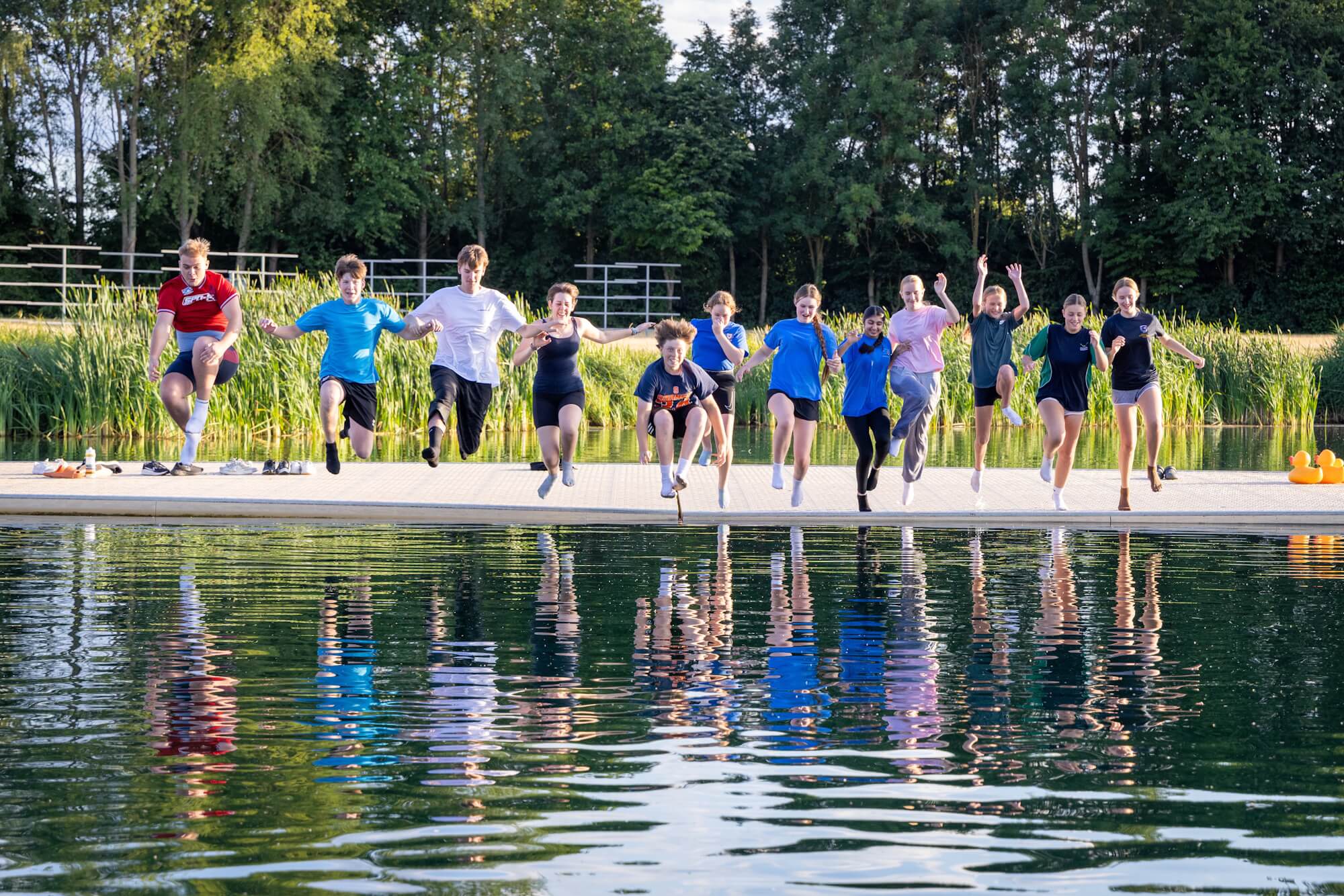
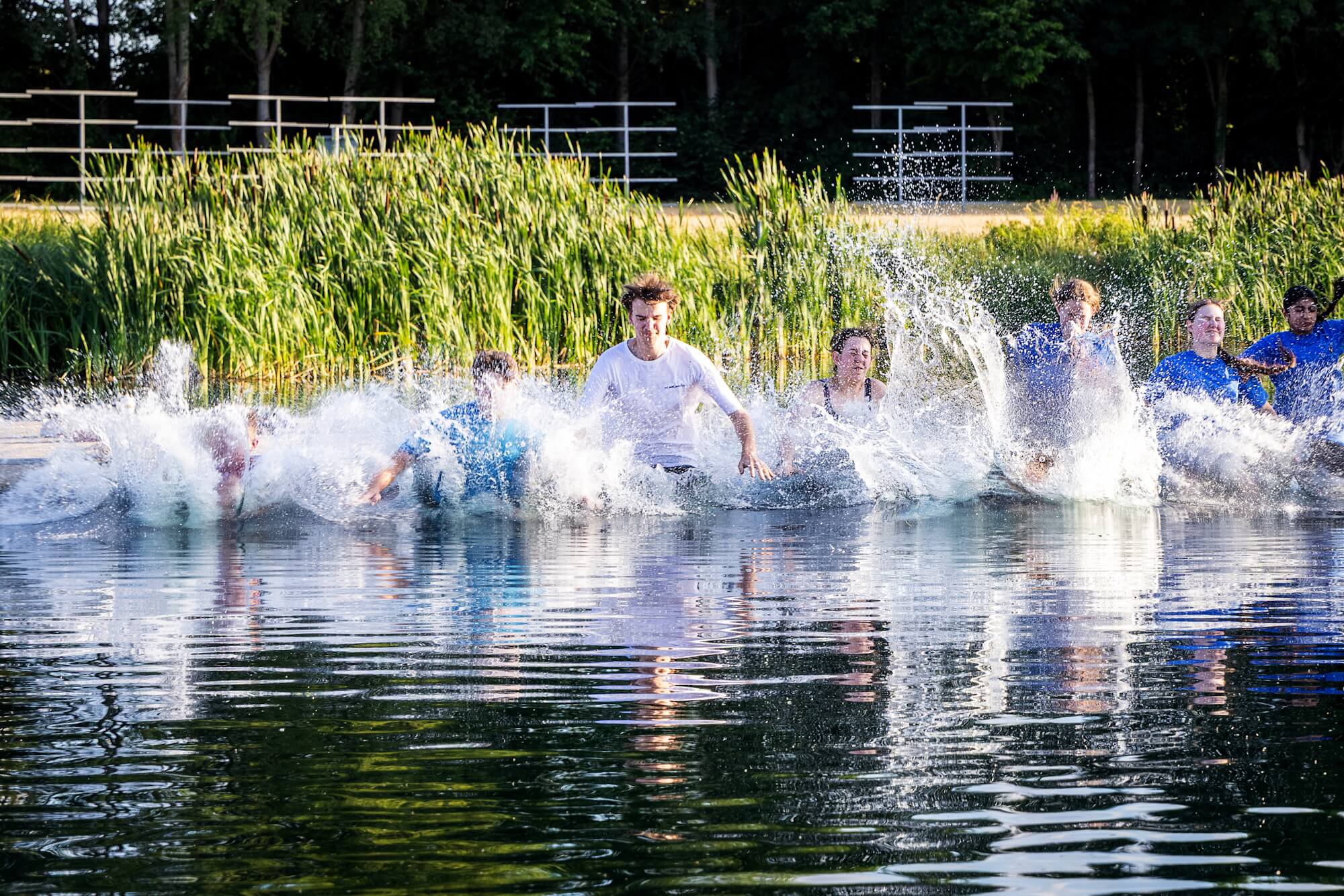
Hannah emphasises that while children can opt out of something because it's difficult, she always encourages them to revisit the challenge the following week. She believes that facing challenges is crucial, both in rowing and in life, and that it’s important to confront them rather than shy away.
The ‘Everest’ of challenges children aspire to at Dorney Boat Club: performing a headstand in a boat!
In an article she featured in with British Rowing shortly after winning the 2023 British Rowing Community Coach of the Year Award, Hannah explained that teaching cannot be done “from a position of fear.” By understanding and connecting with individuals, and from supportive reassurance, she helps them manage their own risks and understand their limits.
Giving children options if they feel unsafe or uncomfortable is a skill Hannah excels at. The result is witnessing the transformation from “absolute fear” in children gazing at the expanse of the lake for the first time to “a twinkle in their eye” as their self-confidence rises.
For Hannah, the joy of coaching is encapsulated in seeing the rewards of helping someone step out of their comfort zone and, as she puts it, “get rid of the gremlin on their shoulder”. Knowing that it is through their own choices – with the coach having empowered them to make these choices and celebrated their good decisions – that they have achieved this transformation.
To repeat what I said earlier, I don’t need great rowers I need great people, making great decisions.”
Other resources you may like...
SHARE THE MOVEMENT
Help spread the word by sharing this website with fellow coaches!